What’s impairing Malawi’s progress? Why 2026 must count
Editorial by Joseph Kayira
The country’s overarching development and progress document, the Malawi Vision 2063 (MW2063), offers hope that it is surely possible to develop this nation of 20 million-plus people, from a beggar to a self-reliant nation. It is Malawi’s long-term development strategy, aiming to transform the nation into an “inclusively wealthy and self-reliant industrialized upper-middle-income country” by 2063. It’s built on three core pillars: Agricultural Productivity and Commercialization; Industria-lization; and Urbanization.
MW2063 is also supported by key enablers like effective governance, technology, and human capital development, implemented through 10-year plans and 5-year quick wins to foster economic independence and a high quality of life.
All well-meaning Malawians believe in this dream. But Malawi needs political will to implement this blueprint into reality. Since 2021, when it was launched, there seems to be too little to write home about. Whatever progress has been made is of little significance.
Poverty is still endemic among Malawian households both living in rural and urban setups.
There are still many challenges that constrain poverty reduction, chief among them, corruption and mismanagement of hard-earned public resources. Equally, the midterm national budget has only inflicted more pain on poor and struggling Malawians. Economic independence and the dream for quality life remains a pipe dream. The budget, which is in trillion of kwachas, is among others, financed through local revenue collection and borrowing. It means more pain for Malawians, anxiety for local businesses and a rise in cost of living. Is this budget really pro-poor?
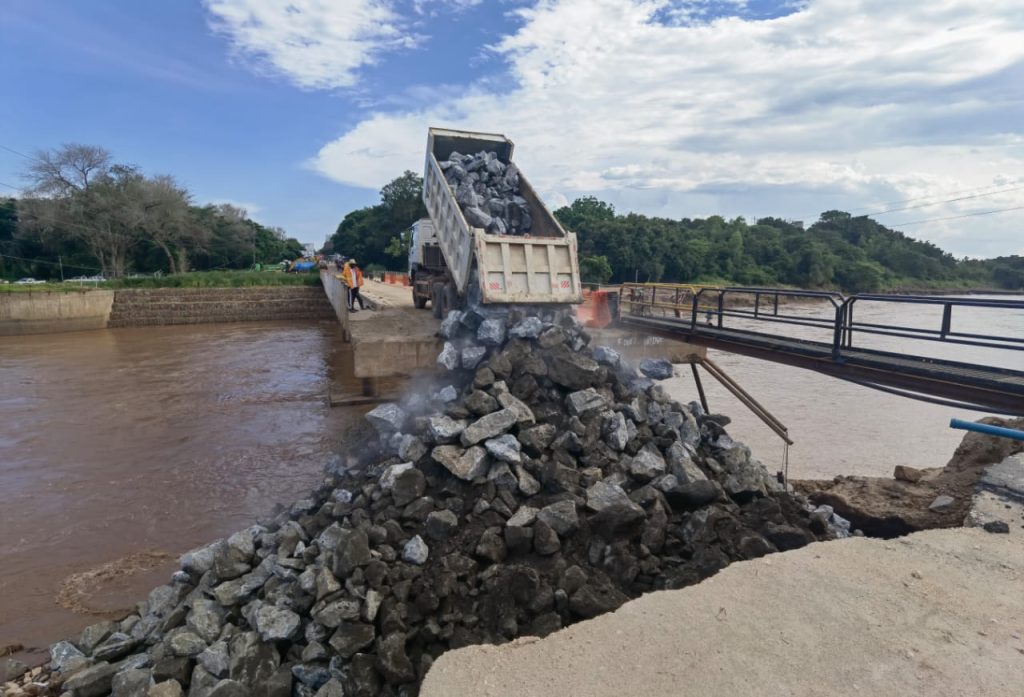
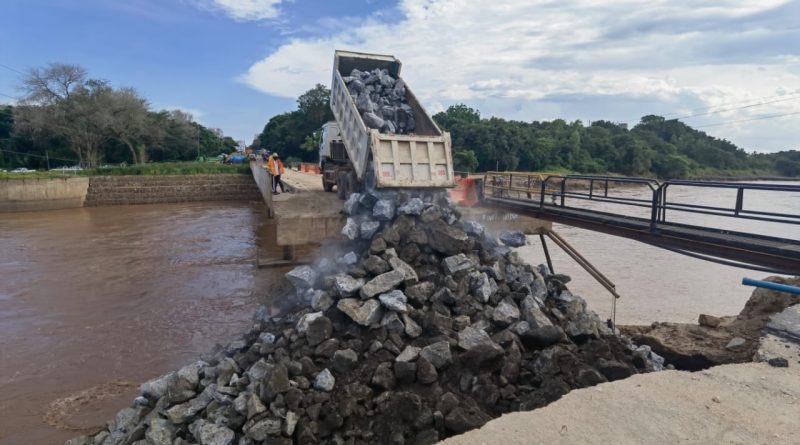
Rehabilitation of a bridge (Photo Credit: Internet)
Reeling from a year characterized by shortages of fuel, food and foreign exchange, those in power and those who are at the decision-making table, should make 2026 a better year for Malawians. They should rise above petty party-political rhetoric and start delivering. The journey to 2030 should be defined by the zeal for true transformation.
The leadership should offer incentives for businesses to grow the economy. It should also incentivize farming, which is the backbone of the economy. Apart from tobacco, which other crops come in the picture as alternatives to the ‘green gold’ which is a leading forex earner, but at the same time under threat from antismoking lobbyists? There is everything to transform Malawi from a predominantly importing and consuming nation, to a predominantly producing and exporting nation.
To this effect, it is encouraging that government is headed towards transformation of industries. It is talking about facilitating operations and effectiveness of Agro-Processing Task Force. It plans to establish specific value chain industry platforms if necessary, such as dairy, wheat, cassava etc; Facilitate establishment of cigarette manufacturing factories.
Mining, another growing sector, could generate up to US$30 billion from mineral exports between 2026 and 20, with annual revenues expected to hit US$3 billion by 2034, according to the World Bank.
Legislators, councillors and CDF
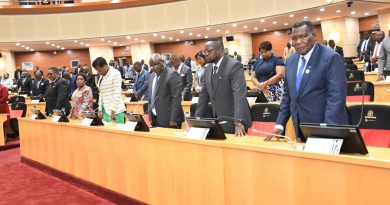
Not long ago, in its judgment, the High Court gave the right of administration of the Constituency Development Fund (CDF) to local government councillors. It said the councillors have the primary responsibility over local development plans. On the other hand, the core duty of Members of Parliament (MPs) is to make laws. But recently, in what many believe is abuse of power and privileges, MPs brought a bill to Parliament to amend the law to have authority over the CDF. This is wrong. So far, President Peter Mutharika has not assented to it. He must not.
We agree with those who say: “CDF is public money intended to finance local development priorities. Under Section 146 of the Constitution and Section 6 of the Local Government Act, responsibility for local development planning, implementation, and management is vested in local government authorities, not in individual political office holders. Accordingly, any constituency-based development fund must be administered through councils and technical structures, subject to the Public Finance Management Act and other accountability laws.”
When MPs manage CDF, they become decision-makers, implementers, and overseers of the same fund, erasing essential checks and balances. This arrangement also forces MPs to encroach into executive functions reserved for central government and local councils, directly offending the doctrine of separation of powers.
The result is a system ripe for patronage, selective allocation, procurement manipulation, and politicisation of development. The concern is not hypothetical: experience shows that control over development funds quickly translates into control over political loyalty, contracts, and electoral advantage.
We totally agree with our interviewee, Benedicto Kondowe who says any attempt to reassign the governance or management of CDF to Members of Parliament directly contradicts the binding determination in Constitutional Case No. 3 of 2023, which held that MPs’ involvement in managing and implementing development funds violates the Constitution. In a constitutional democracy, court decisions are final and binding on all organs of the State.
They cannot be circumvented or neutralised through legislative manoeuvres aimed at restoring roles that the Court has already declared unconstitutional.
Conclusion
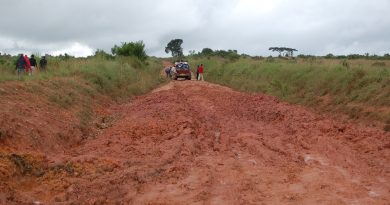
2026 should count in many aspects. The economy must begin to tick. Government must decisively deal with shortages of fuel, food and forex. In the same vein, government through its Ministries, Departments and Agencies must quickly get down to business and fix the damaged road infrastructure following heavy rains received in some parts of the country.
Recently, the northern region was cut off from the rest of the country as floods damaged roads and bridges on the M1 Road. The Northern Corridor is key to businesses bringing in fuel and other products from the port of Dar es Salaam in Tanzania. It is an economic corridor that cannot continue to be ignored.
We believe the Roads Authority will be on track and swiftly conduct assessments on damaged roads and bridges to deal with these persistent cuts that the nation experiences every year. The rebuilding process of the economy must begin with a reliable road infrastructure network. Unfortunately, a lack of seriousness on construction of good roads is what is impairing Malawi’s progress and development.