Dissecting Malawi’s midterm budget: What’s in for Malawians?
By Agness Nyirongo*
Parliament’s approval of the K8.589 trillion midterm national budget has generated a wave of public debate and mixed reactions from across the country. At a time when Malawians are grappling with the rising cost of living, persistent food insecurity, unemployment, and deteriorating public services, the budget presents itself as both a roadmap and a test of government commitment to improving ordinary lives.
While the figures may appear promising on paper, the question many citizens are asking is simple: what does this budget actually mean for the average Malawian? A closer examination reveals a complex balance of fiscal constraints, political priorities, and ongoing structural challenges that will continue to shape life for millions of people.
The midterm budget is substantially larger than earlier estimates for the fiscal year, reflecting increasing expenditure needs against a backdrop of rising inflation, currency instability, and widening fiscal deficits. Malawi’s economy remains under immense pressure, with global price shocks, fuel instability, and limited foreign exchange creating ripple effects in every sector.
While the government emphasizes that the revisions are necessary for stabilization and ongoing development commitments, the broader implications are more sobering. The state is spending far more than it generates, and much of that expenditure is financed through borrowing. This reality signals that without significant structural reforms, the likelihood of future tax increases or further budget tightening remains high, affecting ordinary citizens most acutely.
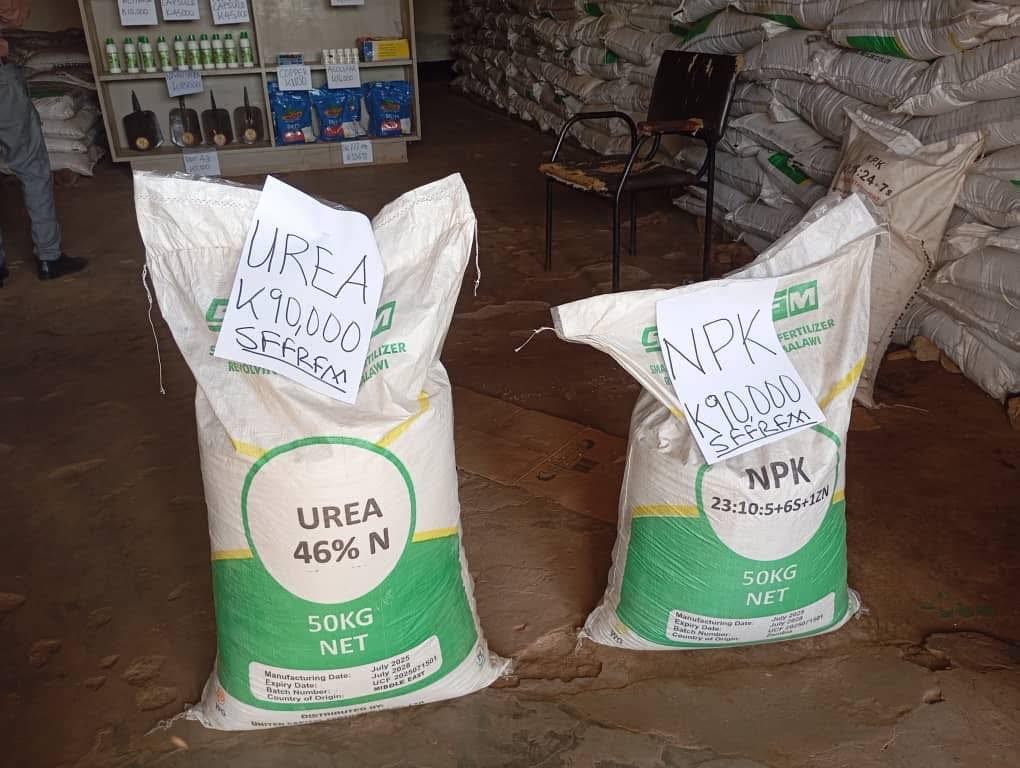
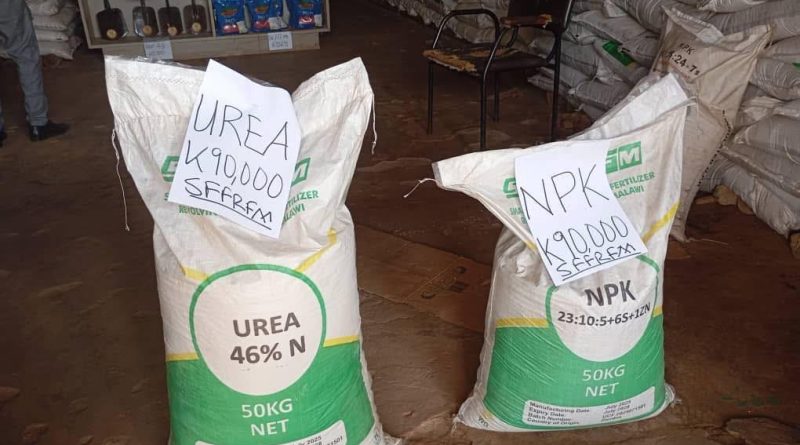
Farmers are struggling to buy fertiliser at exorbitant prices (Photo Credit: Internet)
One of the most significant and longstanding elements of Malawi’s public spending—the Farm Input Subsidy Programme (FISP) — continues to dominate discussions. For years, FISP has consumed billions of kwachas with mixed results, and in the midterm adjustments, the programme remains heavily funded but with reduced beneficiary numbers. Rising fertilizer prices and persistent inefficiencies continue to stretch the budget. For many rural households that depend on the programme, the reductions raise fears of exclusion, late delivery of fertilizer, or the burden of top-up payments that remain unaffordable for the poorest families.
The programme still struggles with leakages, elite capture, and political interference, issues that undermine its ability to truly support smallholder farmers. While agriculture is the foundation of Malawi’s economy, the continued heavy investment in a programme riddled with inefficiencies raises questions about whether the country should begin shifting resources towards more transformative approaches such as irrigation expansion, agro-processing, mechanised farming, structured markets, and enhanced extension services.
Perhaps the most silent but most devastating issue embedded within the midterm budget is Malawi’s mounting public debt, now estimated to be well over K12 trillion when both domestic and external debts are combined. Servicing this debt consumes a significant portion of national revenue, leaving less money for essential services such as education, health, and social protection. This is not merely an issue of numbers — it affects ordinary Malawians in very tangible ways.
Domestic borrowing crowds out private sector investment, limiting job creation and raising interest rates. As a result, loans for small businesses become unaffordable, households struggle to access credit, and overall economic activity slows down. The midterm budget does little to reverse this trajectory, raising concerns about whether Malawi is entering a debt trap that future generations will be forced to endure. Without a clear plan for debt restructuring, fiscal discipline, and stronger revenue mobilization, the future outlook remains fragile.
Taxation is another area critically affecting Malawians, and the midterm budget attempts to enhance domestic revenue mobilization through several adjustments. However, many of these changes fall heavily on low- and middle-income earners who are already overstretched. The widening of the PAYE tax base, coupled with rising indirect taxes on goods and services, imposes a heavier burden on households whose incomes have remained stagnant despite inflation.
While Malawi urgently needs more revenue to fund essential services, the tax system risks becoming regressive if reforms disproportionately affect those least able to pay. At the same time, major sectors dominated by multinational corporations continue to enjoy tax incentives and exemptions that drain government resources. Addressing tax evasion, illicit financial flows, and unfair corporate practices would generate more revenue without overburdening ordinary citizens, but these issues have not received the attention they deserve in the current revisions.
A particularly controversial element of the midterm budget lies in the allocation toward renovations and upgrades of state residences and other high-level government facilities. Such expenditures raise eyebrows because they come at a time when hospitals lack essential drugs, schools face massive classroom shortages, and communities grapple with failing roads and widespread hunger.
For the average Malawian struggling to afford basic commodities such as maize flour, soap, and cooking oil, the idea that significant funds will be directed toward refurbishing state houses feels misaligned with urgent national priorities. While government assets do require maintenance, the timing and scale of such allocations during a period of economic distress prompt legitimate concerns about whether leaders are sufficiently attuned to the hardships citizens face daily.
The pressure on social services continues to grow, yet the midterm budget does not allocate enough resources to meet the rising demand. In the health sector, chronic stockouts of essential medicines, shortages of medical personnel, and dilapidated infrastructure persist. Many hospitals struggle to provide basic care, forcing patients to purchase medicines from private pharmacies or seek alternative treatment options.
These conditions disproportionately affect low-income households that rely on public facilities. Meanwhile, the education sector faces its own set of challenges: overcrowded classrooms, insufficient teaching materials, and inadequate teacher numbers. With Malawi’s young population expanding rapidly, underfunding education threatens long-term human capital development and economic competitiveness.
Food and water security also remain among the most pressing concerns for Malawi. Rising maize prices, erratic rainfall patterns, and limited access to irrigation have created a looming food crisis affecting millions.
Though the midterm budget makes adjustments to disaster response and agricultural interventions, these measures fall short of addressing the scale of the problem. Vulnerable households continue to rely on expensive maize from markets or remain dependent on humanitarian assistance. The country’s reliance on rain-fed agriculture makes it highly vulnerable to climate shocks, and without substantial investment in irrigation infrastructure and climate-resilient farming, the cycle of food insecurity will persist.
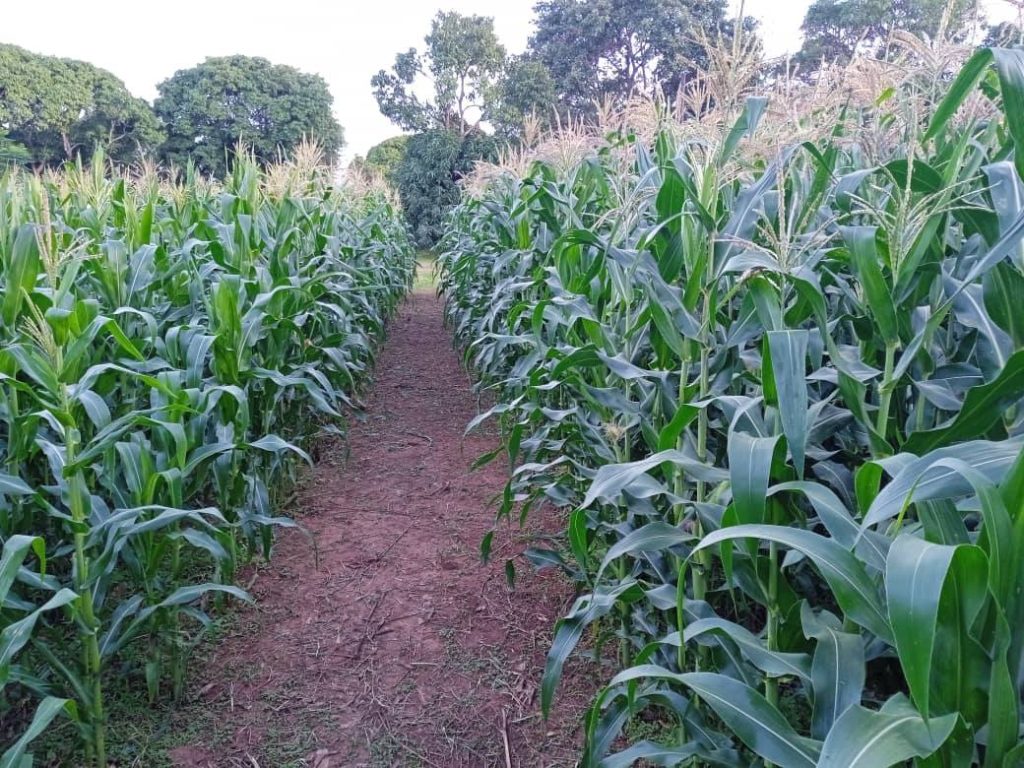
Maize remains Malawi’s staple food (Photo Credit: Internet)
Employment and private sector growth receive limited direct support in the midterm budget, despite high unemployment rates—especially among the youth. The private sector continues to face significant obstacles such as high borrowing costs, unpredictable tax policies, power outages, and limited access to foreign exchange. These systemic bottlenecks dampen investment and stifle innovation, reducing opportunities for job creation. For many Malawians, the result is a continued dependence on informal work, which offers low and unstable incomes, minimal job security, and no social protection.
Energy and infrastructure development remain essential components of Malawi’s development agenda, and while the budget commits resources toward expanding electricity generation and improving road networks, progress remains slow. Persistent power outages hurt both households and businesses, increasing the cost of operations and limiting productivity. Many public works projects continue to suffer delays due to funding shortages, procurement problems, or contractor disputes. These delays reduce the economic benefits expected from such investments and weaken public confidence in government planning.
Governance and accountability institutions such as the Anti-Corruption Bureau, National Audit Office, and parliamentary oversight committees continue to operate with limited resources. While the midterm budget makes some provisions, they are not adequate to meaningfully address corruption, inefficiencies, and mismanagement—issues that consistently drain public funds and undermine development. Strengthening these institutions is critical not only for ensuring fiscal discipline but also for restoring citizen trust in public administration.
Given these challenges, many observers believe that the midterm budget could have been more responsive to the pressing needs of citizens. Reducing non-essential government expenditure, such as foreign travel and high-level renovation projects, would free resources for social services. Strengthening progressive taxation, cracking down on tax avoidance, and closing loopholes would ensure a more equitable distribution of the tax burden.
Reallocating funds from inefficient subsidies toward more productive sectors such as agro-processing, irrigation, and rural industrialisation would help create jobs and increase household incomes. Expanding social protection programmes would also provide much-needed relief for vulnerable groups during this difficult period. Above all, accelerating public debt restructuring and restoring macroeconomic stability remain essential to creating fiscal space for development.
Ultimately, the question remains: what is truly in this budget for the average Malawian? Despite a few positives—such as attempts to stabilise the macroeconomic environment and continued investment in infrastructure—the overall picture remains challenging. Rising public debt means fewer resources are available for essential services now and in the future. Households continue to bear the burden of high taxes and rising prices. Health, education, and social protection sectors remain underfunded, and job creation remains sluggish. For many citizens, daily survival continues to depend more on resilience and informal support systems than on government interventions.
In conclusion, the K8.589 trillion midterm budget reflects Malawi’s difficult economic journey, the limitations of available fiscal space, and a government trying to balance competing priorities in a turbulent environment. However, for millions of Malawians struggling to afford food, access healthcare, find employment, and support their families, the budget offers limited direct relief.
Its success will ultimately depend on implementation, accountability, and whether policymakers are willing to align spending with the real needs of citizens. Until structural reforms are undertaken and government actions become more responsive to public concerns, the average Malawian may continue to wait for a budget that truly transforms their daily lives.
*Nyirongo is economic justice programme officer at the Centre for Social Concern in Lilongwe.