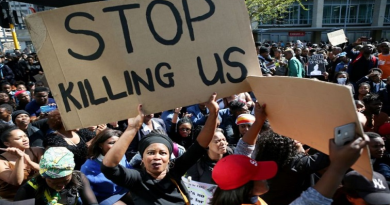
Construction sector’s weak regulation, corruption: What future are we building?
Editorial by Joseph Kayira
It is our profound belief that those who seek a career in politics, do so to serve. When elected they become representatives of the people at different levels of democracy and the economy. Some go on to become president – others start their journey in politics as members of Parliament and Ward Councillors. They all fit well in governance structures that we so much believe in because these structures are the cornerstones of our hard-won democracy.
Above all else, those who have decided to be representatives of Malawians must always remember that they are elected into those positions to deliver. Thus, they are elected and put into those positions on trust. Failure to deliver means a breach of that trust.
Section 12of the Constitution of the Republic of Malawi stipulates: (12)[ii] All persons responsible for the exercise of powers of the State do so on trust and shall only exercise such power to the extent of their lawful authority and in accordance with their responsibilities to the people of Malawi.
This brings us to the topical focus in this issue of The Lamp – which is analyzing Malawi’s road infrastructure, and to a larger extent, the construction industry. Roads are pivotal and fundamental to a country’s economic growth. Bad roads block growth. Good roads facilitate trade, attract investment, reduce transportation costs and travel time, and create jobs, directly enhancing a nation’s competitiveness, productivity, and overall quality of life.
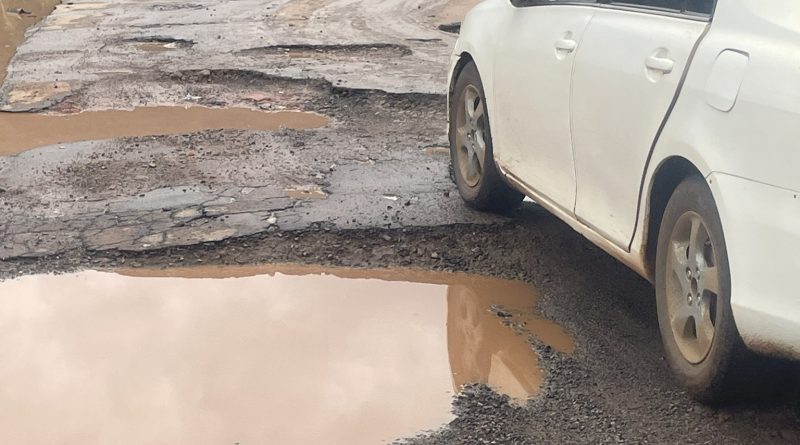
Sadly, Malawi’s M1 Road, which is the main road connecting major towns and cities, is in a dilapidated state. Parts of this important high way, are still under construction, hoping the upgrading and rehabilitation – once completed – would help to accelerate transportation of goods, thereby reducing costs. Bad roads are the reason businesses have to cough additional transport costs to supply manufactured products to markets and consumers who are hundreds of miles from the commercial hub of Blantyre and the administrative capital Lilongwe. The cost of doing business is so high in Malawi because the road infrastructure is anything but a death trap and a serious setback to economic growth.
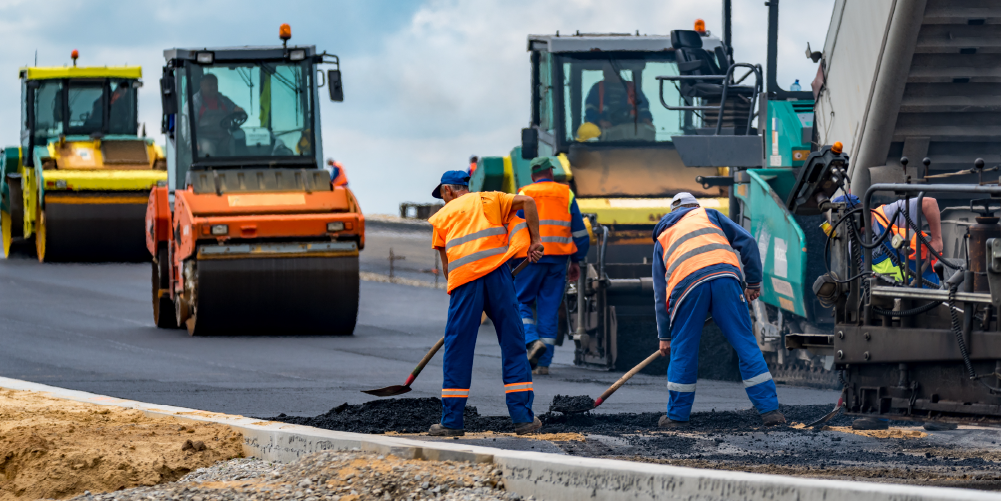
Road construction underway (Photo Credit: Internet)
Even more worrisome is the calibre of some of the construction companies that have been trusted with rehabilitation and construction of the roads. While government is paying a fortune for the construction of these roads, the workmanship displayed is, to say the least, shoddy – and a typical case of people who should not be paid for such poor construction works. It is pure theft of taxpayers’ money. Contractors who cut corners should never come near our construction projects. Corrupt contractors don’t deserve these road contracts.
Not long ago, bridges on some major roads, including the M1 Road, were washed away, even when construction works are still underway. As a result of this, the northern region was cut off from the rest of the country. This should have necessitated a shift towards durable and climate resilient designs.
There is need for the regulator to crack the whip in the construction industry. With extreme weather and flooding, frequently damaging our road infrastructure, and lack of laws that bite, these contractors will continue to ‘enjoy’ easy money from government coffers. Malawi must decisively deal with accountability and transparency challenges in the construction industry.
Our representatives at all levels of government must get tough and for once deal with wayward contractors who are milking our hard-earned resources. Malawi needs better roads. Malawi yearns for reliable feeder roads to help farmers to transport produce to markets and access essential inputs like fertilizers and chemicals.
Equally, good roads are essential for boosting the tourism sector. Upgrading roads to key tourist sites – such as Nyika National Park, Nkhotakota National Park, Kasungu National Park and Lake Malawi National Park – could increase international tourism arrivals. These are a steady source of forex. Malawi can draw lessons from countries like South Africa, Tanzania and Kenya in this area.
Celebrating 125 years of the Catholic Church in Malawi
While all Catholics all over the world celebrated the first week of Lent, Montfort Media Chapel in Balaka celebrated both the first week of Lent and 40 years of existence since its establishment. We would like to join those who have invited people to observe Lent through intensifying prayer, and showing acts of kindness by helping the needy and reflecting God’s love in all we do.
Yes, Christians are re-minded of the need to return to the original joyful plan of God depicted in the garden of Eden before the fall of Adam and Eve. They should learn from Jesus Christ in conquering evil by leading a life of love. This can be shown by refraining from any form of gender-based violence and child abuse, disrespecting the dignity of every human being and selfish living.
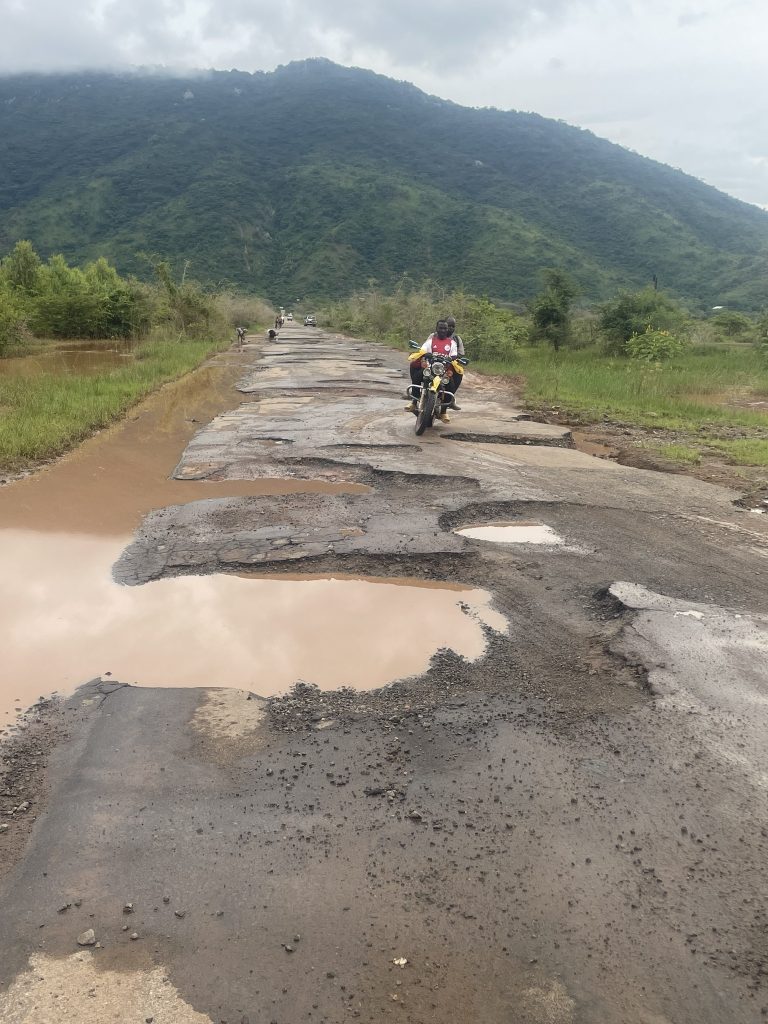
Bad roads block development (Photo Credit: Dr Matthews Mtumbuka)
Coinciding with this 40th Anniversary, is the 125th Anniversary (25th July, 1901) of Catholic Presence in Malawi whose celebration will be held in Nzama Parish, in Ntcheu District, in August this year.
“There are many reasons to thank God for the Catholic Church in Malawi. One of them is that the Catholic Church in Malawi has become a social, economic, political and moral force to reckon with in the society. The Catholic church in Malawi over the years has truly demonstrated what it means to be salt of the earth and light of the world. On the socio-economic aspect, the church has constructed reliable health and education facilities hence providing quality service to the wider society.”
Conclusion
We would like to appeal to our representatives in all arms of government to remain patriotic. Those who love Malawi will ensure that contractors worth their salt and who abide by the rules of the industry, should be awarded contracts to rehabilitate Malawi’s road infrastructure. At the moment the construction sector has all signs of an industry under siege and in urgent need of urgent emancipation. Reforms in the construction industry are a must. This change cannot wait any longer.