Dealing with rising cases of suicide
By Precious Nihorowa*
Every day we read about suicide cases in Malawi, especially among men and boys. According to recent statistics, suicide rate in Malawi has been consistently rising in recent years, with a reported rate of 7.57 per 100,000 population in the year 2021. More recent data from the Malawi Police Service indicates a significant increase in the number of cases, with a total of 597 suicides recorded in 2024, up from 527 in 2023. As if that is not enough, in April 2025, The Malawi Police Service (MPS) through its Deputy National Public Relations Officer, Superintendent Harry Namwaza, reported that suicide cases had risen in the First Quarter of 2025.
Thus, it recorded 153 suicide cases from January to March 2025. Of these, 125 were males and 28 were females. The most affected age group is 20-39 years, with 61 males and 15 females in this category having committed suicide. This was an increase when compared to the same period in 2024, in which 126 suicide cases were reported, including 109 males and 17 females. Up to today, suicide continues to be a prevalent issue in Malawi. One wonders why this is the case? What can be done to curb the situation? This article delves into the phenomenon of suicide and suggests the way forward.
Understanding the gravity of the suicide situation in Malawi requires a deeper look into the statistics and underlying factors. The rate of 7.57 per 100,000 in 2021 places Malawi roughly in the middle of global rankings, but the increasing trend has raised significant public health concerns. There are some key insights from recent reports worth looking at. The first issue is about increasing cases: The number of reported suicide cases consistently keeps on rising and has more than doubled between 2021 and 2024, highlighting a serious public health crisis. As already alluded to, for the first quarter of 2025 (January to March), police recorded 153 suicide cases, a rise from 126 in the same period in 2024. This rise points to factors that must be examined very well.
The second obvious issue in the reports is gender disparity. Thus, men are disproportionately affected by completed suicides. In 2024, for example, 522 males committed suicide compared to 75 females. A 2017 study also found that fewer men (6.0%) than women (9.6%) reported experiencing suicidal behaviour (ideation, plans, or attempts) in the past year, but when they did, they were more likely to complete the act.
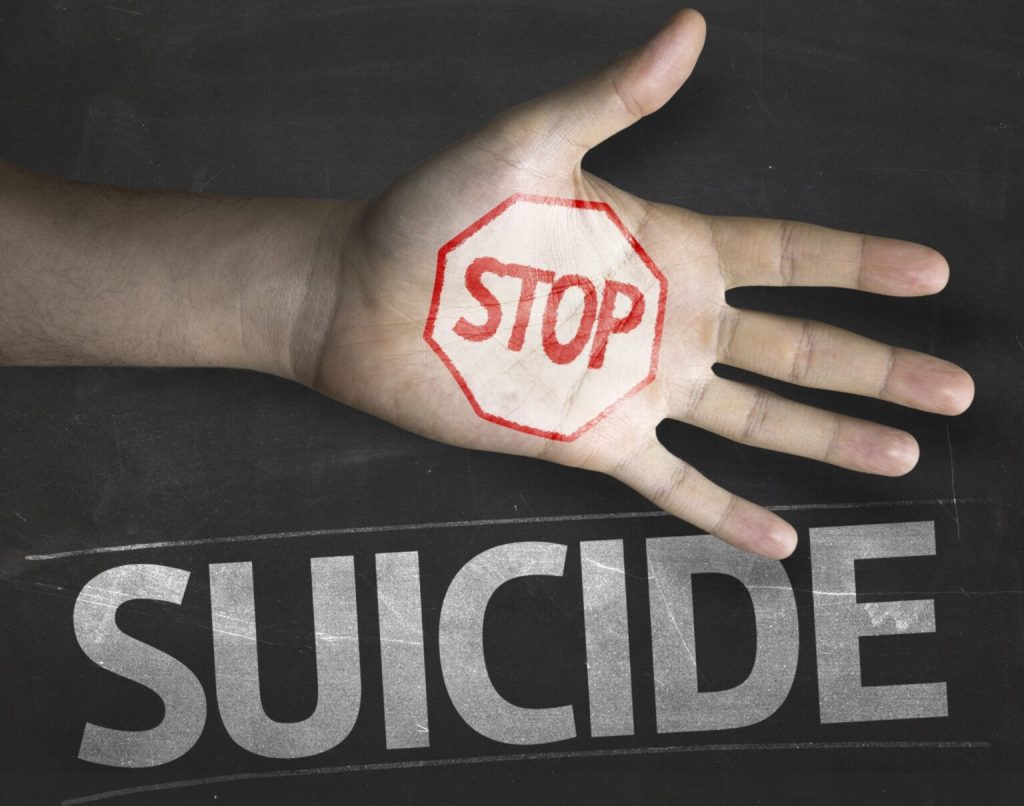
Stop the trend! Reports in Malawi show that suicide is prevalent among men (Photo Credit: Internet)
This is attributed to cultural norms where men are expected to be stoic and less likely to seek help for emotional distress. The Malawi Police Service also noted that the suicide issue is especially prevalent among men, most of whom are reluctant to seek help or share their problems such as marital disputes, drug and substance abuse, and unsettled debts. The MPS keeps on encouraging individuals facing personal challenges to come forward for guidance and counselling in Victim Support Units instead of resorting to suicide.
Another issue from the reports is the most affected age group. The age group most impacted by suicide cases is between 20 and 40 years. In short, the youth are affected more by the phenomenon of suicide. The reports also indicate regional variation, with revelations that suicide cases are often more prevalent in rural areas (78.4%) compared to urban areas (21.6%). So, after all is said and done, what is really at stake in the phenomenon of suicide given all the key insights from the recent reports?
The rising rates are linked to a complex interplay of socioeconomic challenges and mental health issues. The first obvious thing is cultural stereotypes ascribed to gender especially the male gender. Thus, men are socially seen as, and expected to be, strong and tough. This creates stigma around male vulnerability. Most men fear that when they open up, they may face dismissal, mockery, discomfort and fear of being seen as weak.
This reinforces silence as most men don’t find a safe space to be vulnerable about their challenges. Additionally, men’s identity is tied to usefulness and performance. Many men are socially valued for: providing, achieving, being competent and reliable. As a result, when men experience unemployment, financial failure, chronic illness, inability to meet expectations, they may feel useless, replaceable and ashamed. This in turn can create a dangerous belief: “If I’m not useful, I’m not needed.”
The second cause of most suicide cases is socioeconomic stressors due to poverty, high unemployment rates, and financial hardships. The economic downturn linked to the COVID-19 pandemic further exacerbated these issues. This explains why more men and young people commit suicide. Socially, men are seen as providers in the families. Most of the times, their relevance and usefulness is measured depending on how much financial support they can provide. And so, lack of a stable source of income can affect their mental health.
Moreover, most young people upon completing school hope for a better future and look forward to be economically self-reliant. High unemployment rate and lack of opportunities, however make them face the tough side of life making them fail to reconcile between the future they dreamed of and the reality of life.
Furthermore, in Malawi there is mental health access problem and stigma. Mental health services are largely overlooked and underfunded in Malawi. The country faces severe shortages of mental health professionals. Moreover, there is stigma surrounding mental illness often prevents individuals from seeking help. Those who seek therapy are considered as having too much problems in life and insane. This explains why a lot of people would rather shun therapy than suffer ridicule. Consequently, people’s mental health worsens and depression takes its toll until it translates into suicide.
The other cause of suicide cases has to do with the law of the land. There are legal barriers for those who attempt suicide. Historically, attempted suicide was a criminal offense under Section 229 of the Penal Code, punishable by imprisonment. This means that those who after attempting suicide never succeeded to actually commit suicide, are sought after and punished by the law. In so many instances, those who attempted suicide, prefer to do another attempt and die rather than suffer shame and punishment in the hands of law. This criminalization was a significant barrier to people seeking help, but the government has since moved to abolish this law.
Suicide continues to rob the country off its valuable resources in terms of the people dying who would contribute to the development of the country. What then much be done to curb the phenomenon of suicide? In response to this growing public health issue, the Malawi Ministry of Health has established a Suicide Prevention Implementation Framework. This strategy emphasizes a multi-sectoral approach involving public education, improved access to mental health care, and the development of culturally appropriate psychosocial interventions.
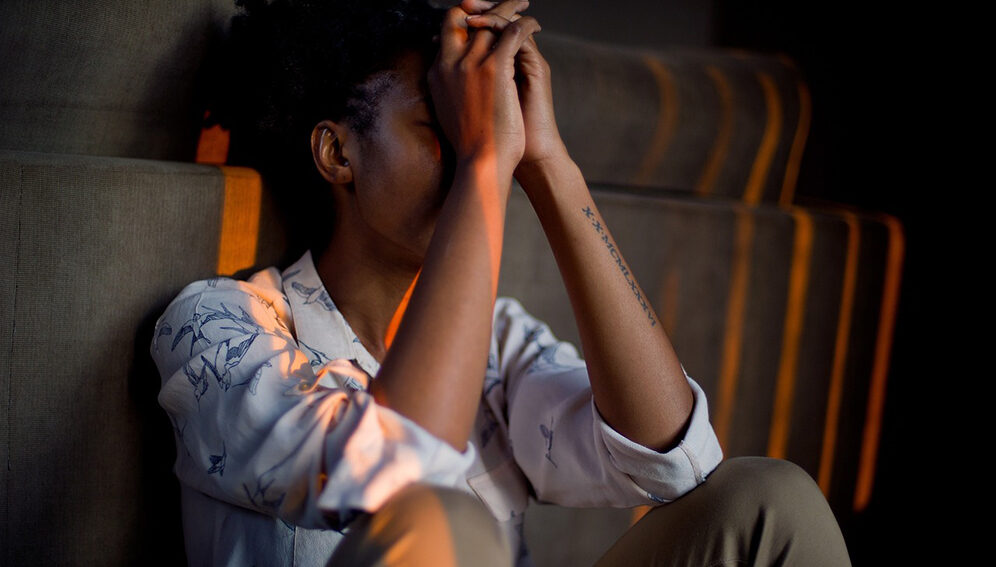
Some people are reluctant seek help or share their problems (Photo Credit: Internet)
The Malawi Police Service too encourages individuals facing personal challenges to come forward for guidance and counselling at their Victim Support Units or other trusted institutions. For those struggling or in crisis, it is vital to seek professional help.
However, to ensure that people embrace the idea of seeking professional help should they feel suicidal, the national must strive, through constant civic education, that seeking therapy is a normal part of being wholly human. Moreover, more hard work has to be put on men to open up when they need help and embrace vulnerability.
This, indeed, need a lot of hard work as the belief that men are strong and tough has been embedded in the society for so many centuries. It will take a lot of effort, therefore, to break this habit and belief. While other continents such as Asia, Europe and America have made significant strides in allowing men to express their emotions, a lot of African countries are lagging behind on the same.
Lastly, the issue of socioeconomic stressors is a serious one. Any commitment to deal with rising suicide cases should look at this matter seriously. The nation should provide an environment where the citizens can innovate ways to financially sustains themselves by, for instance, providing business starterpacks and making the business environment friendly for local entrepreneurs. This will complement the efforts of government of providing employment opportunities.
In summary, the suicide rate in Malawi is a critical and worsening public health concern, with recent data showing a marked increase in cases, particularly among young men facing social and economic difficulties. Increased awareness and better access to mental health resources are urgently needed to address this endemic problem. Otherwise, we will keep on losing productive citizens to the same.
*Fr Nihorowa is a regular contributor to The Lamp magazine.