FUM to launch project in Balaka
By Joseph Kayira
In a bid to create decent economic and job opportunities for youths through agriprenuership development, Farmers Union of Malawi (FUM) is planning to implement a 3-year High Value Agriculture for Accelerated Youth Agri-preneurship (HIVA) Project in Balaka.
Edwin Munthali, FUM Monitoring and Evaluation Specialist for HIVA Project introduced the project to Balaka District Agricultural Extension Coordinating Committee (DAEC) recently further disclosing that “this project is being financed by Mastercard Foundation, through AGRA. So, AGRA is our main partner in Malawi. They are giving us about US$1.2 million to implement this project.”

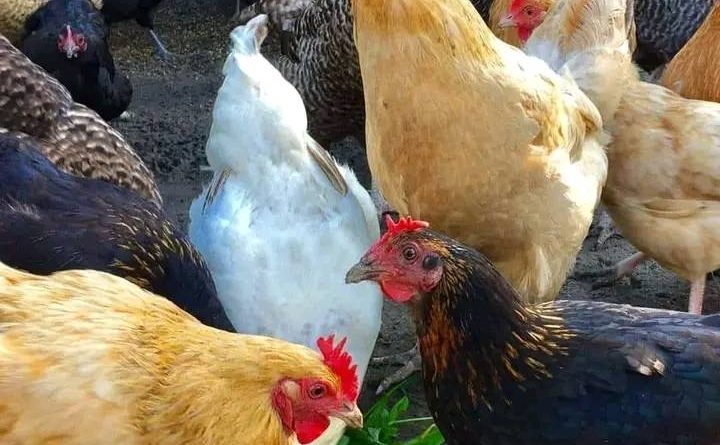
Horticulture is one of the areas targetted youths will be involved in (Photo Credit: Internet)
“I am happy that the project has been accepted at DAEC. We are looking forward to working with the district and delivering the results. The project aims to reach out to about 300,000 young farmers in 16 districts in Malawi including Balaka. So, in Balaka we will be reaching out to roughly about 25,000 farmers. In the process we want to create job opportunities for these young farmers, especially in the horticulture, poultry and honey value chain,” Munthali said.
FUM works in 16 districts under, five Agriculture Development Divisions (ADDs) – where Balaka is within Machinga ADD, an ADD that FUM is targeting.
“And also, Balaka is unique in its setup; I think it’s one of the areas that get climate-related shocks. The weather is not so good sometimes; traditional crops like maize, soybean might not really thrive in the district. So, we thought what if we bring in other commodities or other crops that are in a way resilient but also bring in high returns but do not really depend on the weather – hence the coming in of poultry, bee keeping and horticulture, if irrigation is a model that could work in the district,” Munthali said.
He said the project has targeted the because they constitute the majority of the population in Malawi. Munthali said statistics show that 70 percent of the population are young farmers but these young farmers rarely participate in agriculture due to what he said are “so many systematic barriers.”
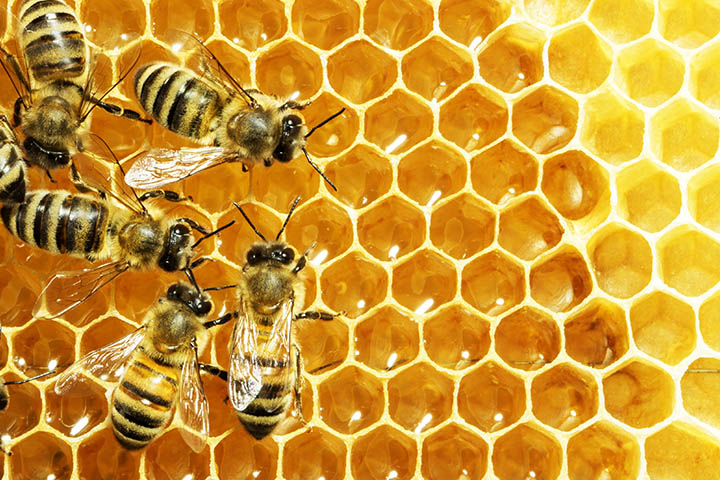
Bee-keeping: Another money-maker (Photo Credit: Internet)
“They have less access to finances, extension service to them is limited and sometimes they just don’t show interest in agriculture. And so, we thought what if we bring in these high potential value chains and attract young people to participate. And by attracting as more youths as possible, we benefit from this 70 percent dividend, which we were missing out on. Basically, we want these young people we are unemployed to come into agriculture and have a chance of getting employed,” he said.
Munthali said within the project there are other partners such as Tradeline who are specifically focusing on market linkages. Additionally, within the HIVA Project, FUM has interventions that aim at linking the producers to the off-takers.
“We are taking what we call a market-led approach where the production is led by the demand on the market. So, we have been engaging with off takers at the national level, but also at the district we will do a mapping exercise to identify key off-takers for the three value chains that we are targeting. And production will already be linked to these value chains that are off-taking. So, it will be a market-led approach,” he said.
Munthali said the project is also building on Malawi 2063 in that it is focusing on promoting agriculture diversification, increasing productivity and commercialization. He said the three value chains of the project are different from the traditional ones – which emphasize on maize production.
“You know we are used to the likes of maize etc. We are now doing horticulture, poultry; we are now doing honey – that’s already diversification. But also, we are emphasizing on commercializing. So, it’s not production only but market-oriented production,” he said.