We need stable and strong political and economic systems — Mkhutche
The Lamp editor Joseph Kayira engages political commentator, Wonderful Mkhutche on elections, politics, governance and leadership in political parties. Mkhutche says the nation’s psyche has been reduced to a limited understanding of our capabilities. He says Malawians have normalized vices like corruption and laziness. Everyone is looking for a quick way to enrich themselves, leaving millions of people in desperate need of a better life. The political commentator says there is need for stable and strong political and economic systems in place since this is what we mean by good governance. The excerpts
With a new administration [the Democratic Progressive Party] in place, how would you describe its performance so far?
The second coming of President Peter Mutharika has been beyond expectations. Although many looked at the DPP as an alternative to the MCP, most voters were still skeptical about whether the DPP would be better. But towards the September 16 elections, we saw some top DPP officials assuring the country that they had learnt a lesson from their June 2020 Fresh Presidential Election loss. To this extent, we can say that the party seems to have indeed learnt a lesson. In a nutshell, the DPP’s administration has been satisfactory.
And its just slightly over 100 days of President Peter Mutharika in office; what are the highlights in terms of political governance, economic development and some of the key decisions he has made so far?
We are indeed slightly over 100 days in the presidency of President Peter Mutharika. The President has demonstrated decisiveness in making decisions. Recently, he reshuffled his cabinet, just three months into his presidency, a clear display that he is in charge and is ready to exercise the power to achieve his goals. In political governance, much remains to be done. But for now, there is political stability in the country.
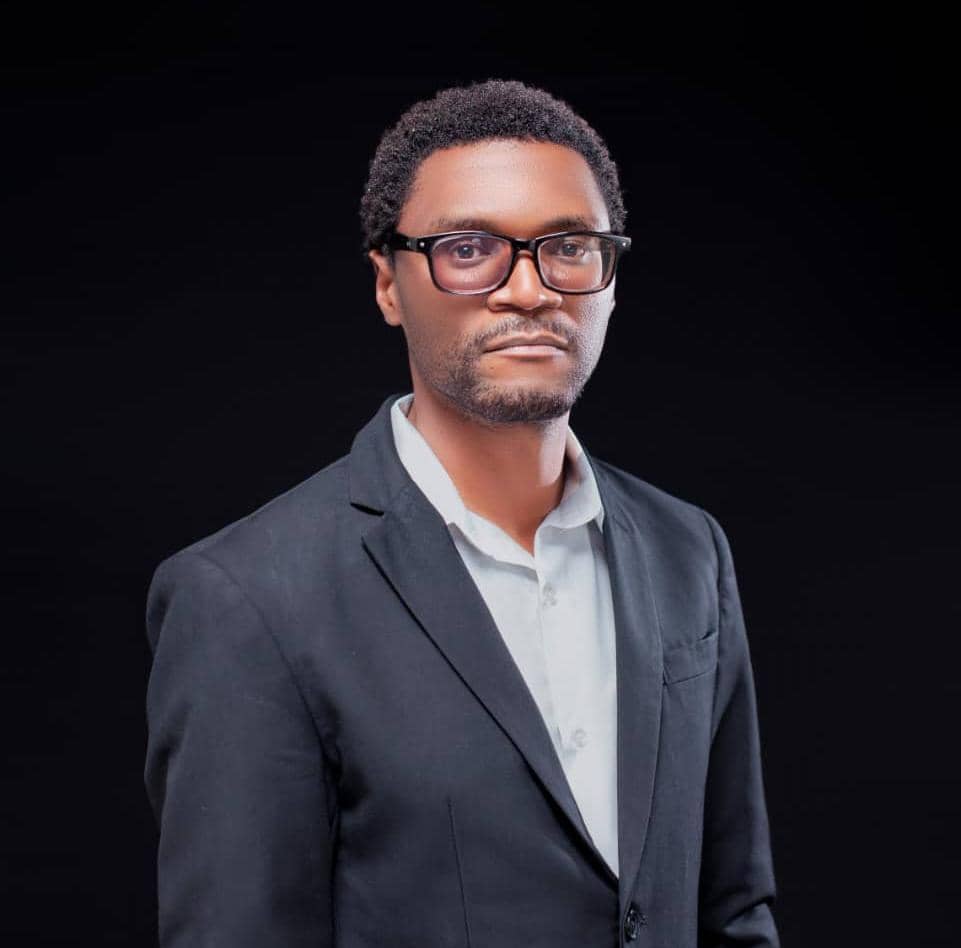
Mkhutche: Let’s focus on developing Malawi (Photo Credit: WM)
DPP’s win was highly legitimate in the last elections, and this is also being reflected in the general acceptance of Peter Mutharika’s presidency, and the decisions the President is making. The Constituency Development Fund is another highlight. The President made a good decision on the new guidelines. This shows that he stood for the people. In terms of the economy, a lot has to be done to reposition and modernize this country’s economy. For now, people wanted access to commodities like fuel, cement, and sugar, which went missing from the market. These are now available. But we need sustainable economic systems that will ensure permanent solutions.
Do you think everything is okay in the DPP, in view of statements made by some senior party officials on who should benefit from the new administration – by first considering those who bankrolled party activities, suffered arrests while in opposition?
That statement was unfortunate, particularly to be made in public. I understand the DPP senior officials are under pressure from their supporters over crumbs from the government. But that statement made some believe that the party has not changed. It is too early for DPP to lose its guard. The party has too much to prove right, and this needs serious internal discipline. To date, it seems the party has moved on from this, mostly because it is still enjoying the grace of the people as a new government. But if this continues to be the attitude from some senior party officials, this may end up being the rope that will once again hang the party.
What is your take on the issue of alleged emerging camps in the ruling party, barely a few months after winning the General Election? Does this not spell doom for the party at the next polls in 2030?
The emerging camps are natural for any political party, especially with the prospects of President Peter Mutharika not contesting in 2030 due to his age. Some in the party are repositioning themselves to take over, and the camps are inevitable. The party is already coming from a similar experience after the June 2020 elections, where some hoped to replace Peter Mutharika as the DPP’s President.
The situation was saved since Peter Mutharika was able to continue. This time, the party needs another solution. If President Peter Mutharika has decided not to seek re-election in 2030, he needs to lead a proper transition to the new leadership. The party should not be divided because President Peter Mutharika has left. This country’s democracy still needs a strong and stable DPP.
What should be the way to go for the DPP considering that in 2030 a new presidential candidate will have to be identified in good time to sell themselves to the electorate, but without dividing the party?
Chances are high that President Peter Mutharika may not seek re-election in 2030 due to his age. In this event, the party’s Constitution stipulates when to hold a convention, and this will be in 2029 – a year before a general election. Therefore, the party needs strong intraparty structures that will allow those interested in the position to campaign. It is through this rigorous process that the best candidate will emerge.
Further, the party also needs a recruitment drive. 2030 will be the first post-Mutharika era for the party. This may potentially break or weaken the party since DPP is synonymous with the Mutharika name. Therefore, the party needs to put in place not just a strong leader but also individuals who will reshape the party beyond the Mutharikas.
How can political parties in Malawi handle the issue of succession in leadership without creating chaos and eventually breakaway political parties?
On most occasions, succession disputes arise from stifled intraparty democracy and not the imposition of a candidate. When the presidency has to be filled, allow anyone eligible to campaign for the position. Further, the powers that be should desist from choosing a candidate for the party. The real owners of the party are found in the structures such as area, constituency, or district. These should be allowed to choose as they are the ones with the votes to make the party win.
There seems to be politics of retribution being practiced across the board in Malawi. Every party that comes to power descends on those who have lost elections: we saw it in 2020; it’s also happening now? Why is that so?
This will only stop until someone decides to focus on things that matter after winning the government. I agree, the politics of retribution has defined our governments since 1994. Sometimes, there are real cases to be pursued. But oftentimes, we do not see the arrests and the cases heading anywhere. It ends up as a game of using public resources to fulfil personal vengeance, something not good for us as a poor country that needs to focus on other important things.
Why do you think Malawian politicians waste time and resources on politics of retribution?
Retribution is a natural human instinct and weakness. When people do us wrong – especially deliberately – we always want to return the injustice. But whenever we have assumed leadership positions, we should be conscious enough to rise above some of these human weaknesses. A leader needs to forgive or understand more. But should not dream of such kind of leaders for now. Our politicians are still stuck in parochial fights that bring this country no good.
The Malawi Congress Party has cried foul saying its leadership is being harassed by the DPP through what it calls political arrests. What is your comment on these arrests?
We need to wait to see the conclusion of the cases. Maybe the government has answerable cases against them. But judging from what we have seen in the past, not all of these cases will be concluded. However, although two wrongs do not make a right, the MCP should not cry foul now. This is what they did to others when they were in power. Further, if they had made sure some of the cases against those they arrested were concluded, we would not have been here. Sometimes, the world comes back and hits you hard when you least expected, and this is the present reality of MCP.
How can Malawian politicians practice civilized politics; without using government machinery for those in power to pin down and harass political opponents?
The purpose of political power is to deliver good public services to the people. This is why, as a people, we decided to have a government. Sometimes, our leaders forget that they were chosen for this reason. With this understanding, the only arrest the government has to make must be against individuals whose actions have affected people’s access to good public services.
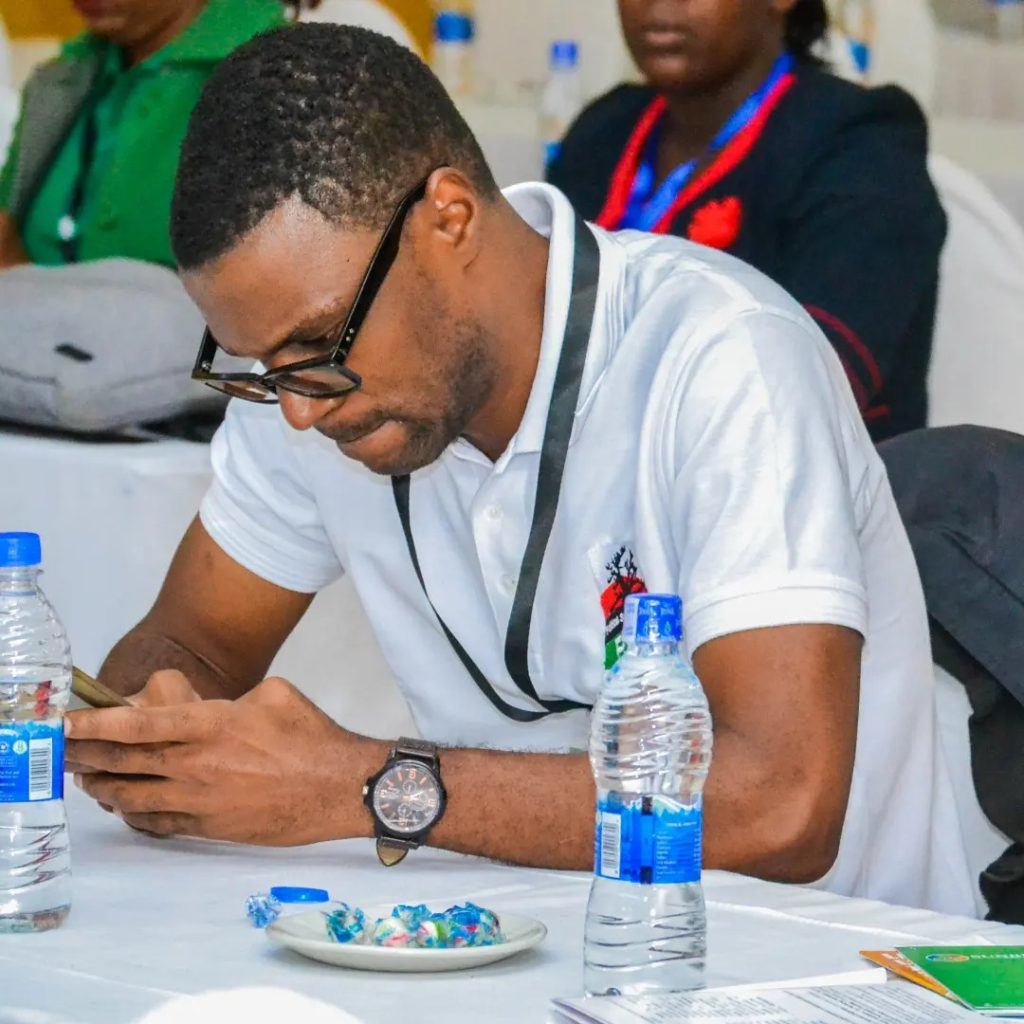
Mkhutche: Leaders must deliver (Photo Credit: WM)
These have to be hunted down, prosecuted, and jailed. This entails leadership focus and discipline, as well as civilized politics. The uncivilized politics we see result from our leaders not appreciating the desperate need to develop this country. As a poor country, we have no time to waste.
What has been the impact of bad politics on good governance and national development and progress?
Uncivilized politics has done great harm to this country. For example, the nation’s psyche has been reduced to a limited understanding of our capabilities. We have normalized vices like corruption and laziness. Everyone is looking for a quick way to enrich themselves, leaving millions of people in desperate need of a better life. We need stable and strong political and economic systems in place since this is what we mean by good governance.
Do you think nation-building is a possibility in Malawi? How?
Yes, it is possible to build Malawi and make it a great nation. What we need is to reform and modernize our social, political, and economic systems to align with the rest of the world. Many of our systems are still old and traditional at a time when the rest of the world is far ahead of us. For example, we need to modernize our agricultural tools, decentralize power to the people, and prioritize the nation over the tribe. This is the best way forward.
What’s your last word?
My last word will be to the youth of this country, of which I am a part. We need to save ourselves from distractions and help in building this country. I understand that these are not easy times for many of us. But we still need to focus on making Malawi better by improving our skills, capabilities, and also our involvement in politics.