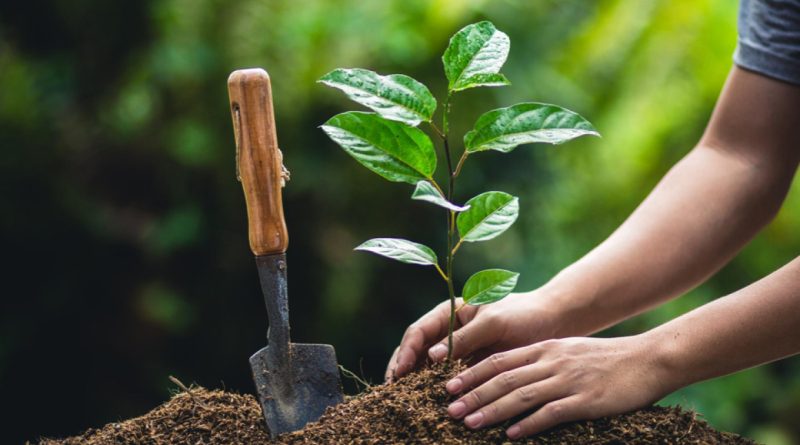
Caring for the trees we plant: Responsibility beyond tree-planting season
By Sipho Graham Ndebele
Across Malawi, the act of planting trees has become a familiar and commendable practice. From National Tree Planting Season launches, to community-led afforestation drives, millions of seedlings are planted every year in response to deforestation, climate change, and land degradation. Schools, faith institutions, civil society organizations, and development programmes have embraced tree planting as a visible symbol of environmental stewardship.
However, despite these efforts, Malawi continues to lose forest cover at an alarming rate with about 33,000 hectares of forest land lost due to deforestation. This paradox raises a critical question: are Malawians truly caring for the trees they plant and do they sustain to maturity?
While tree planting is important, it is only the first step in a much longer process. Looking at the context of Malawi, where pressures from population growth, energy poverty, and climate variability are intense, the survival of planted trees is far from guaranteed. The national average indicated an approximately 60% survival rate for the 50 million trees planted in the 2024/2025 season, translating that 20 million trees did not survive, according to the Ministry of Natural Resources.
The reasons cited were bush fires, livestock grazing, drought, poor species selection, and lack of post-planting care. Yet these challenges persist, largely because tree planting has often been treated as an event rather than a commitment.
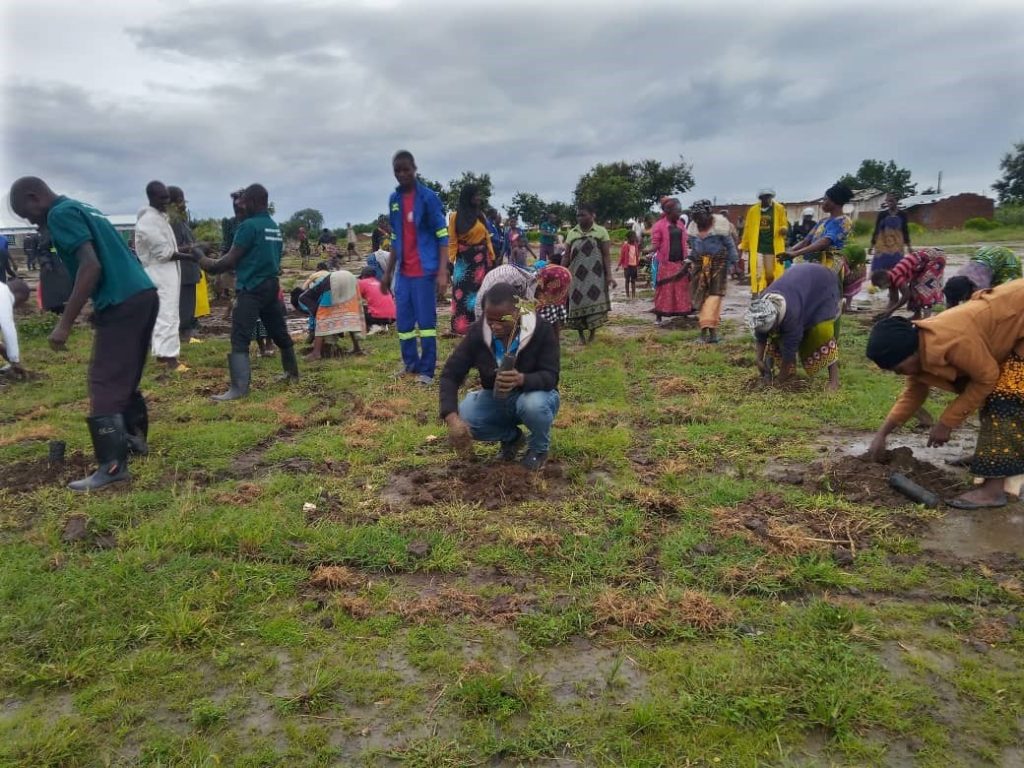
There is urgent need to care for the trees communities plant every year (Photo Credit (MML)
Caring for trees begins with understanding why they matter to Malawi’s social, economic, and ecological systems. Trees stabilize soils on Malawi’s fragile hillsides, reducing erosion and siltation in rivers and dams such as those feeding the Shire River and Lake Malawi. They regulate local microclimates, enhance groundwater recharge, and provide habitats for biodiversity. For rural households, trees are also sources of fuelwood, fruits, medicines, timber, and income. When trees fail, the impacts ripple through agriculture, energy, water, and livelihoods.
One of the most critical aspects of tree care is species selection. In many parts of Malawi, well-intentioned planting campaigns have promoted exotic species without sufficient consideration of local ecology or community needs. While fast-growing species such as eucalyptus (bulugamu) may offer quick fuelwood or poles, they can also compete with crops for water and degrade soils if planted indiscriminately.
Caring for trees therefore means promoting the right trees in the right places. Indigenous species such as Uapaca kirkiana (masuku), Faidherbia albida (msangu), and Khaya anthotheca (m’bawa) not only survive better under local conditions but they also provide long-term ecological (restore soil health) and economic (timber and food) benefits.
Another important factor of tree care is community ownership. Trees that belong to “everyone” often end up belonging to “no one”. In contrast, trees that are clearly owned and valued by households, schools, clubs, or village natural resource committees are more likely to be protected and nurtured. Successful community forestry initiatives in Malawi show that when people are involved in decision-making from nursery establishment to benefit sharing, they invest time and labour in watering, weeding, mulching, and protecting young trees. Therefore, caring for trees is a social process rather than a technical process only.
Post-planting management is another decisive factor. In Malawi’s erratic rainfall patterns, seedlings often require supplementary watering, especially during dry spells early in their growth. Simple practices such as mulching with crop residues, constructing soil basins, and regular weeding can dramatically improve survival rates. Fire management, including the establishment of firebreaks and community by-laws against late dry season burning, is equally essential. These practices are not costly, but they require awareness, coordination, and sustained commitment.
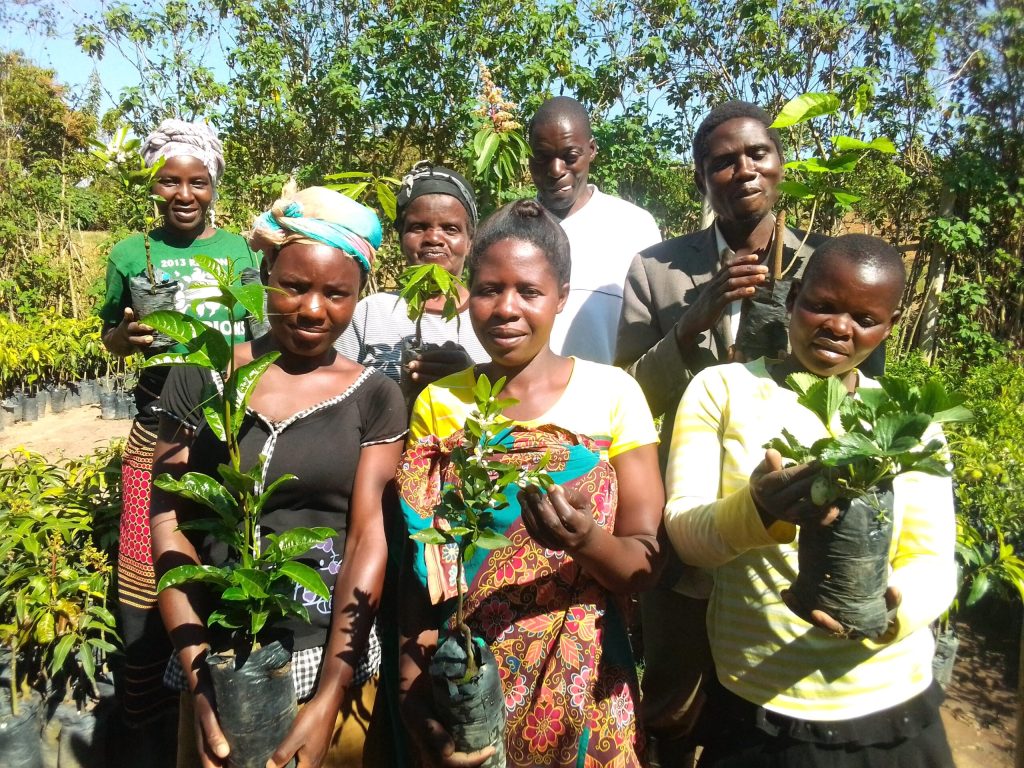
Caring for trees requires mindset change (Photo Credit: Internet)
Institutions also have a role to play. Schools can integrate tree care into environmental education, assigning learners responsibility for specific trees and monitoring their growth over time. Extension services can shift emphasis from counting seedlings planted to tracking survival rates and growth performance.
Development partners and NGOs can design programs that reward quality and longevity rather than short-term planting targets. Measuring success by “trees growing after 3 to 5 years” rather than “trees planted in one day or season” would mark a significant shift in Malawi’s afforestation and reforestation approach.
At a national level, caring for planted trees aligns directly with Malawi’s development and climate commitments. Forest restoration supports the Malawi 2063 Vision by strengthening resilience, sustaining natural capital, and creating green jobs. It also contributes to climate change mitigation and adaptation by enhancing carbon sequestration and reducing vulnerability to floods and droughts. However, these benefits will only materialize if planted trees are allowed to grow to maturity.
Ultimately, caring for the trees we plant requires a change in mindset. It calls for moving beyond symbolic gestures to long-term stewardship. It asks individuals, communities, institutions, and policymakers to see trees not as seasonal projects, but as living assets that demand patience and responsibility. In Malawi, where the land sustains the people, nurturing trees is not an optional environmental activity, it is a long-term investment in food security, economic stability, and the well-being of future generations.
The true measure of Malawi’s commitment to afforestation and reforestation will not be found in planting statistics, but in landscapes where trees planted years ago still stand tall, shading fields, protecting soils, and supporting livelihoods. Caring for the trees we plant is, ultimately, caring for Malawi itself.