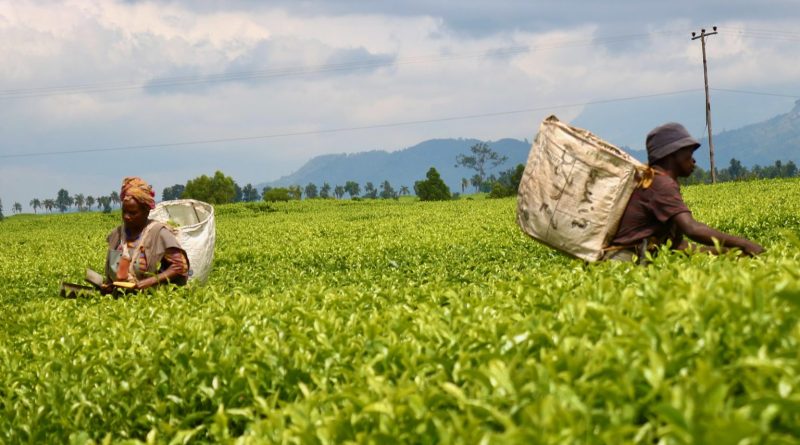
Economy under severe strain: The sad reality facing Malawian workers
By Joseph Kayira
Every year, on May 1, Malawi joins the rest of the world to commemorate workers day. The International Labour Day should be understood as a tribute to the resilience and historic struggles of workers worldwide. This year, the focus shifts toward modern challenges, including mental health in the digital age and social justice in a green economy.
In Malawi up to this day, the battle for fair wages and safe conditions in workplaces – be they formal or informal – still rages on. Both government and private employers have a lot to do in as far as implementation of best practices is concerned. The truth of the matter is that on paper Malawi is said to have a robust legal framework designed to protect workers. But as one writer puts it in this Issue of The Lamp magazine, legislation alone does not guarantee protection.
“Additionally, the Labour Relations Act promotes freedom of association and collective bargaining, allowing workers to organize and advocate for their rights. Institutions such as the Malawi Human Rights Commission play a role in safeguarding broader human rights, including labour rights. On paper, therefore, Malawi meets many international labour standards. But legislation alone does not guarantee protection.” – Agness Nyirongo, The Lamp, May 2026 – ‘Promises versus reality: The struggle for workers’ rights in Malawi’.
Weak enforcement of legislation has created a situation where employees have to work under exploitative conditions. In informal employment arrangements, abuses loom. Workers are hardly paid on time; and those who dare to ask are shown the exit. In the present situation, workers have to choose between underpayment and roaming the streets – and many think getting peanuts is a lesser evil. Desperate economic situations push workers to remain in poor working conditions for years. We urge them to speak out against any form of abuse – including underpayment.
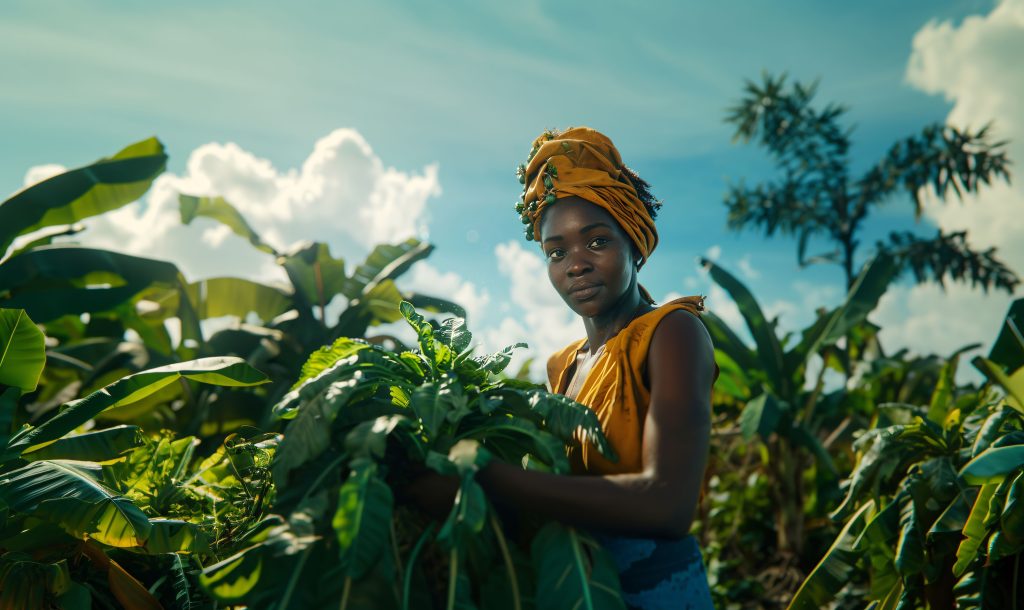
Farmers are going through tough times (Photo Credit: Internet)
The nation needs to reflect on contributions of workers to the economy. They are primary drivers of the struggling economy. These workers “constitute the labor force necessary for production, generating economic growth, government tax revenues, and consumer demand. Their skills and productivity determine a nation’s competitiveness and standard of living.”
The scarcity of formal jobs is a result of challenges such as high inflation, the nation’s unsustainable domestic and international debt, and an economy that is on a life support machine. While agriculture remains Malawi’s economic backbone, failure to add value to key crops such as tobacco, maize, beans, groundnuts and other produce, has resulted in exporting job opportunities – which are bundled up with produce that is exported raw.
Attempts to resuscitate potential sectors such as manufacturing, mining and tourism are going at a snail’s pace; but once they pick speed and get implemented, they can be key drivers of the economy and create jobs for locals. Until now, it is evident that there is lack of political will to tap resources from these sectors. Rhetoric must translate into action.
Workers in Malawi continue to experience severe economic hardships driven by acute fuel shortages and soaring transportation costs. For months, fuel scarcity has crippled industries and disrupted business operations. Foreign currency shortages are hampering fuel imports, and it is low-income earners who are severely impacted – especially those living in urban centres.
‘Surviving on the edge’
Cost of living is becoming too high for Malawians. For most families, already living below the bread line, the way to go is to consistently adjust budgets – cutting down on essential daily needs – in some instances missing a meal or two. It is the same story with students in colleges who have to fend for themselves for survival. With campuses far from where students lodge, the only painful option for them is to walk long distances to classes. One observer says this is affecting their education and well-being.
“In response, many Malawians are adopting coping strategies walking instead of taking transport, reducing consumption, and engaging in side businesses. However, these are short-term solutions to a long-term problem. Without structural interventions such as price monitoring, economic diversification, and investment in alternative energy, the cycle is likely to continue. Ultimately, the cost-of-living crisis is not just about numbers it is about people. It is about survival, dignity, and the ability to live a decent life in an increasingly expensive environment.” – Lizzie Elizabeth Chuma, The Lamp, May 2026 – ‘Malawi’s cost of living crisis: Surviving on the edge’.
We urge government to quickly reflect on taxes, fuel shortages and forex scarcity. Once these are fixed, Malawians can heave a sigh of relief. As it is Malawians are living hard, and this could lead to high rates of crime. For instance, those who have harvested adequate maize are living in constant fear of robbers who target their produce; and their hard-earned resources. Let Malawi remain peaceful despite the economic hardships that many families are currently facing.
Therefore, ee expect our police to be in the forefront in the prevention, investigation and detection of crime. They should push for apprehension and prosecution of offenders; the preservation of law and order; the protection of life, property, fundamental freedoms and rights of individuals.
Conclusion
When Pope Leo XIV visited four African nations on his eleven-day apostolic journey, he came “as a pilgrim of peace.” This historic Apostolic Journey took Pope Leo XIV through Algeria, Cameroon, Angola, and Equatorial Guinea, from April 13 to 23.
“I thank the Lord for granting me the opportunity” to undertake an Apostolic Journey across four African countries and “to experience it as a message of peace at a time in history marked by wars and serious and frequent violations of international law,” Pope Leo XIV said during the Wednesday General Audience in St. Peter’s Square on April 29.
The war is making this situation worse and blocks hope for a better future. We take this opportunity to urge all leaders across the African continent to embrace Pope’s Leo XIV’s message which was marked by so many unifying themes – which include fraternity as the foundation of coexistence, the condemnation of every instrumentalization of religion and the decisive role of religious leaders in mediating conflicts. It is possible to promote an inter-religious dialogue capable of sustaining peace, justice, and stable coexistence among peoples.