Burdening future generations with loans, substandard structures…
By Titani Chalira*
As of end 2025, the country’s loan stood at 24 trillion Kwacha. This was a cause for worry considering that future generations will bear the brunt of our irresponsibility. The loan and the development are unmatched. To a greater extent, the loan sponsors consumption. However, on a positive note, some infrastructure sponsored by loans still remains functional and will not be a burden to future generations. These include; the infrastructure in the education sector, the roads in different parts of the country and the railway line that is being renovated in various parts of the country.
The common factor of the loans is that they serve the interests of the donors other than national interests. The loans are a burden for future generations because there is little to show for them in terms of development. There are examples for this state of affairs as noted in the foregoing paragraphs.
The low interest loan that the apartheid South African government gave to Malawi as part of making Lilongwe a capital city served the interests of South Africa other than national interests. The burden of this arrangement is still felt today. South Africa which was isolated for its apartheid policies needed a strategic partner in the region to deal with the power of frontline states.
Apartheid survived more years partly because the relationship it had with Malawi helped them. However, the relationship with South Africa made Malawi isolated since the neighbouring countries were also the frontline states. They looked at Malawi as an enemy and there has been little integration and partnership with our neighbours in terms of trade and railway networks, until recently. This affected the pace of development and keeps affecting how the country relates with her neighbours who are of strategic advantage to Malawi’s development.
The International Monetary Fund (IMF) and World Bank benefit from the loans they give our country. The loans have conditions that often lead to economic challenges. Some of the conditions are devaluation and retrenchment of public servants. These lead to inflation and loss of jobs. Instead of improving people’s lives; poverty worsens. The future generations are saddled with the responsibility of servicing these loans with little to show for them.
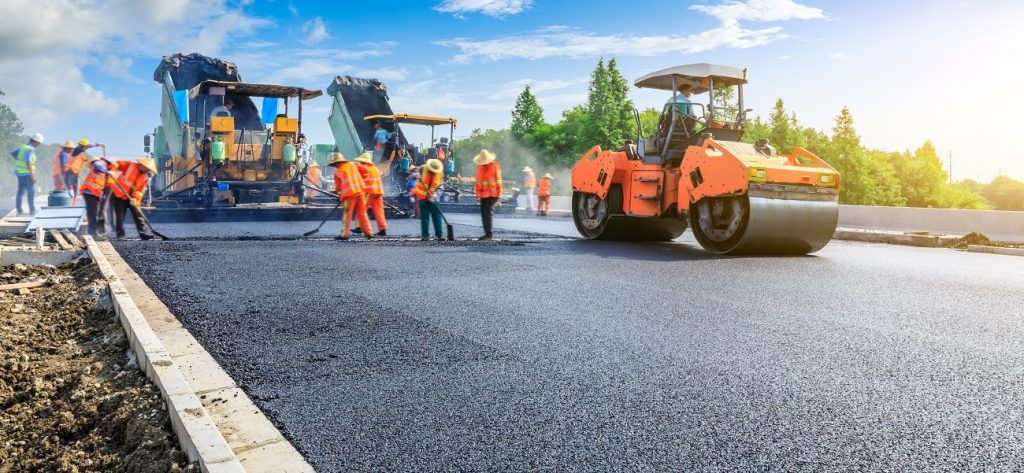
Road construction is a major part of civil engineering (Photo Credit: Internet)
The IMF and World Bank smile all the way to the bank as the country repays the loans. The repayment process leads to a budget that is consistently on a deficit. The country is forced to overburden the citizens with more tax. The ripple effect of this is that investors and other business people fail to thrive. The country remains trapped in a poverty cycle.
The loans China gives look attractive at face value but they are also beneficial to it. It is commonly known as debt-trap diplomacy. China seeks to have control of the road and railway networks at the international level through the belt and road initiative. They give loans without tampering with the governance systems of the recipient nations. However, in most cases they use their own construction firms and people. This inflates the cost of the projects with the Chinese involved benefitting more.
It is also hard to check standards of the projects since they are both financiers and implementers. A lot of money in these substandard projects returns to China. Another challenge is that failure to service these loans is tied to critical mineral resources and other natural resources. Future generations are burdened with loans that will literally make them slaves in their own land for lack of critical mineral resources and other natural resources.
The United States of America is also a beneficiary of the loans it gives to Malawi and other African countries. It gives conditions that do not serve the recipient country. The US tampers with the governance systems of the countries it gives loans to. This is done without considering the nuances that come with context. They support leaders who are self-serving so long as they are helping them to achieve their strategic interests on the continent.
Just like China; the US also seeks to get control of the critical mineral resources in the countries it helps. There is a law to that effect in the US. The loans that are tied to critical mineral resources are a burden to future generations. In cases where the US entertains corrupt leaders who may be serving their interests, the loans are used in ways that do not fit the bill. The result is substandard work that future generations are burdened with the responsibility of servicing.
Apart from the loans that are obtained from external entities, there are also loans that the government gets from domestic banks. These mainly support consumption other than production. They are also part of the process of killing the nation because they help in shrinking the private sector space and forcing future generations to have misplaced priorities by default.
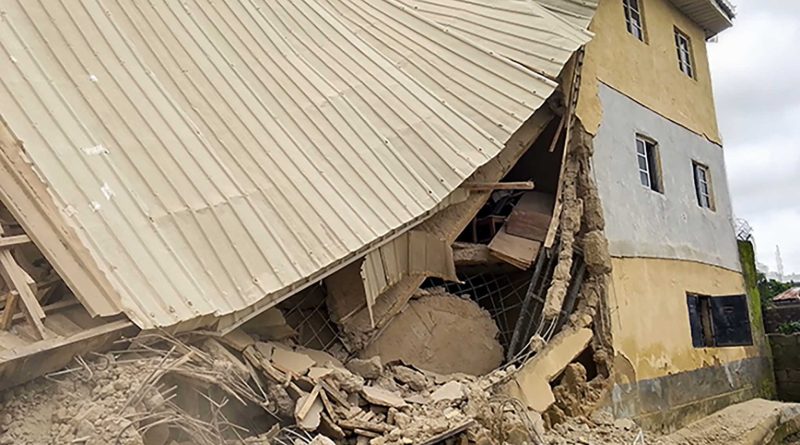
Many of the schools and road infrastructure that were built using loans are in a dilapidated state. While the government is servicing the loans the infrastructure is in need of renovation or reconstruction. There is a general lack of a culture of maintenance. The colonial government had a fully-fledged maintenance department that was inherited at independence. It stopped being functional overtime. The deliberate failure to allocate enough resources for maintenance or failure to follow-up on the resources allocated for maintenance to check if the resources have been used properly is a challenge.
Instead of making progress, we keep going back to put up infrastructure we could have simply maintained. There is also corruption on the part of public officials charged with the responsibility of implementing the projects supported by these loans. Contracts are awarded to people whose competence is questionable. There are also a lot of middlemen who benefit for facilitating the awarding of these contracts. The money that exchanges hands in this process is part of the loan.
By the time the actual project takes off ground the resources are not enough. In order to show that the work was done standards are compromised. The people involved are not penalized and this gives the impression that it is normal to downsize projects and make them substandard so that everyone is able to get a cut. Citizens are being forced to repay loans that largely benefitted few individuals. It makes little sense that as a Country, we keep blaming the Bretton Woods institutions without doing some introspection to understand our part in the problem.
The habit of getting loans that lead to substandard infrastructure and the repayment arrangements that lead the country to part ways with its critical minerals and natural resources is dangerous. It must be tamed before it becomes unmanageable. This task is huge and requires all hands-on decks.
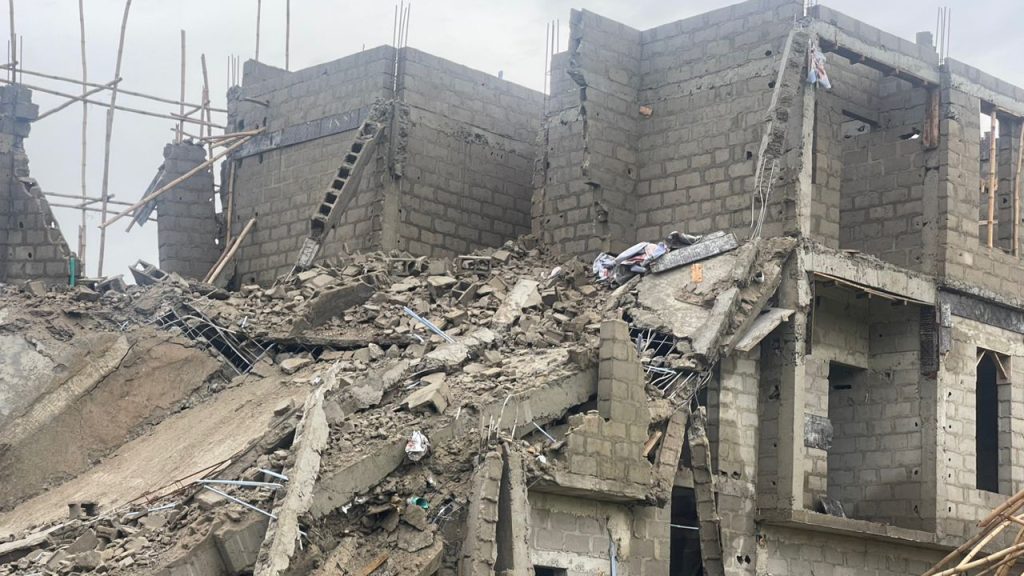
This Nigerian school building collapsed killing 22 people (Photo Credit: Reuters)
Government’s strategic interests or national interests must be clearly defined. Some of the projects are not strategic to the country’s interests. The infrastructure such as the stadiums which we are failing to maintain are of less strategic interest compared to roads that open up areas known for serious agricultural production or the Lakeshore areas that have immense tourism potential.
The infrastructure the loans support seems to serve aesthetic purposes than strategic interests for the country. Loans should not be taken if they are thought to be affecting national interests. There has to be thorough vetting of the loans being obtained to see if they are good for the country.
The government must start by sorting out its own issues before rushing to get loans for projects that are not key to the development of the country. The resources that the government has must be managed properly before the situation of mismanagement forces us to be in a precarious position to resort to borrowing. The resources that the government has are abused and there is little that is done to deal with the wastage. This creates impunity because people do not fear the repercussions that can follow wrongdoing as a result the money that comes in form of loans is met with similar fate.
All the branches of government must lead by adjusting their lifestyle which is sponsored they the public purse. Apart from the punitive taxes that people are forced to pay; government officials in all the three branches must reduce their benefits to serve resources to be used to servicing loans and for other development activities. Parliament must tame the appetite of the executive of getting loans by providing meaningful oversight during budget deliberations.
It should also be the collective responsibility of the citizens to hold to account the government for the abuse of resources that come in the form of loans. The best the citizenry can do is to follow the projects that are being done using loans. Corruption and substandard work in these projects should be checked. It will be good to repay loans for projects that will remain functional in the future. The loans should not affect the critical mineral resources base of the country. Everyone must learn to love the country and avoid killing it through loans.
*Chalira is a regular contributor to The Lamp magazine.