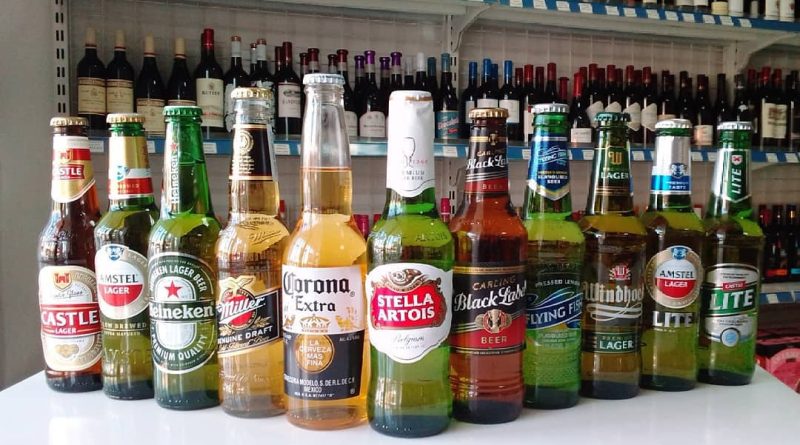
Malawi’s alcohol culture and crisis: The implications
By Fr Precious Nihorowa* CSSp
Alcohol plays a complex role in the lives of many Malawians. On one level it is part of social life—served at celebrations, social gatherings, and community events. On another, its harmful use has become a significant public health and social crisis that affects individuals, families, and communities across the country. While not every citizen consumes alcohol, the consequences of hazardous and harmful drinking for those who do are wide-ranging and severe, impacting trauma rates, mental health, domestic violence, road safety, and national development.
According to national risk factor surveys, roughly one-fifth of men aged 25–64 engage in heavy drinking, while a much smaller proportion of women report heavy alcohol consumption. Alcohol in Malawi ranges from commercially produced brands to locally brewed spirits such as kachasu, home-made alcohol that can have variable and often high ethanol content. Although cultural norms and economic conditions shape drinking patterns, particularly heavy drinking among men, it is clear that alcohol misuse remains a serious concern that cuts across rural and urban communities. What harm does alcohol abuse do to our society? What interventions need to be made to curb the situation?
One of the most striking impacts of alcohol misuse in Malawi is the connection to trauma and injuries. Emergency department data from central hospitals reveal that a significant proportion of road traffic crash victims had consumed alcohol prior to their injury. In one study, almost one-quarter of patients presenting after a crash either tested positive for alcohol or reported recent consumption, with nearly one-third of male patients having consumed alcohol before their injury.
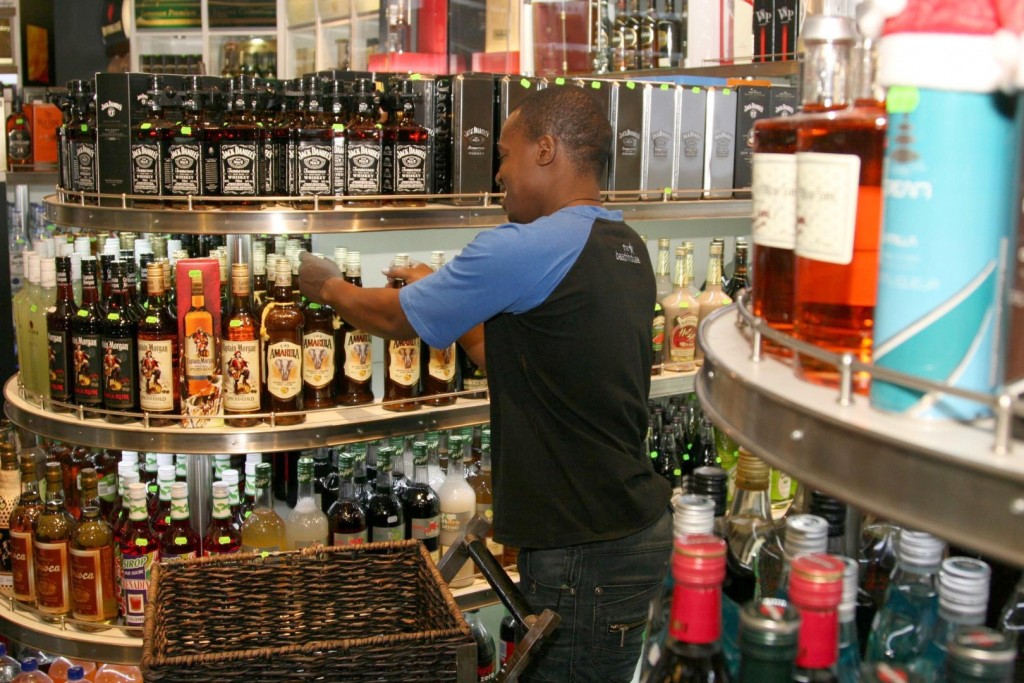
Alcohol impairs coordination, judgment, and reaction time, making drivers, pedestrians, and cyclists vulnerable to road crashes. These injuries not only cause physical harm—ranging from fractures and head injuries to permanent disability—but also create significant emotional and economic burdens for victims’ families and the healthcare system. A World Bank analysis of road traffic injuries in Malawi highlighted that alcohol was a major contributor to road traffic crash fatalities, especially among men aged 25–44 and during weekend nights, when hazardous drinking is most prevalent.
Road safety in Malawi is another area where alcohol misuse has devastating implications. Driving under the influence of alcohol contributes significantly to road traffic crashes—a leading cause of death and disability in the country. Evidence shows that a notable portion of road crash victims were intoxicated at the time of the accident, with male pedestrians particularly at risk. Alcohol-related road crashes are not just statistics; they represent real lives—families torn apart, breadwinners lost, and communities weakened. The economic cost is substantial, including healthcare expenditures, loss of productivity, and long-term care for those left with permanent injuries.
Despite efforts to implement road safety policies and blood alcohol concentration limits, enforcement remains inconsistent, especially in rural areas where police resources are stretched thin. There is also a cultural dimension, where drinking and driving practices may be normalized in some social settings, making public education and behaviour change an urgent priority.
Furthermore, alcohol misuse has clear links to worsening mental health outcomes—a challenge often overlooked in public health discussions. Alcohol can exacerbate symptoms of depression and anxiety, lower inhibitions, and increase impulsive behaviour. In Malawi, mental health professionals have noted rising problems linked to substance abuse among young people, with alcohol being a key driver of deteriorating mental well-being.
For some, alcohol becomes a coping mechanism in the face of economic hardship, social stress, or trauma, but this often leads to a vicious cycle where emotional distress and drinking fuel each other. This cycle is not isolated; it contributes to broader societal issues such as increased risk of suicide. Community accounts indicate that individuals struggling with substance use and underlying emotional pain are more likely to experience suicidal thoughts and actions, especially in environments where social support is limited.
Alcohol’s role in domestic violence and gender-based violence (GBV) in Malawi is particularly troubling. Alcohol misuse does not cause violence, but it magnifies the frequency and severity of abusive behaviour within families. In cases where partners consume alcohol heavily, studies have found higher rates of physical, emotional, and sexual abuse, with women bearing a disproportionate burden.
One report noted that alcohol was a contributing factor in around a third of GBV cases, with many incidents leading to serious harm including rape, emotional trauma, and economic hardship. The cycle often extends beyond the immediate survivors, affecting children who witness domestic violence, contributing to intergenerational trauma, and undermining family stability. Violence related to alcohol misuse also strains community safety and police resources. Domestic crisis interventions, legal processes, and support services for survivors are over-burdened in contexts where hazardous drinking is common, yet resources for prevention and rehabilitation remain limited.
The effects of alcohol misuse extend beyond individual health and safety. Heavy drinking has been linked to broader social instability, including increased crime rates, reduced workplace productivity, and strains on household finances. When family income is spent on alcohol rather than essential needs such as food, education, and healthcare, the cycle of poverty is reinforced.
Alcohol misuse also interacts with wider health problems. For example, long-term heavy drinking increases the risk of liver disease and certain cancers, compounding existing public health challenges in Malawi’s resource-limited health system.
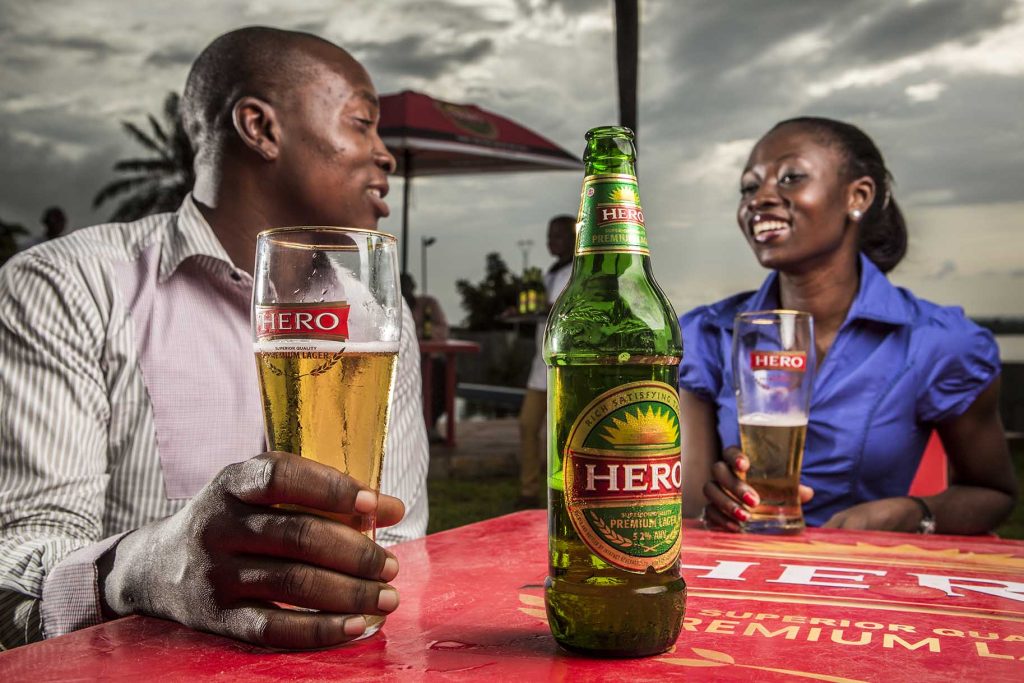
Long-term heavy drinking increases the risk of liver disease (Credit: Tom Parker/One Red Eye)
Recognizing the harms associated with alcohol, the Malawian government launched the National Alcohol Policy in 2017 to address excessive drinking and its consequences. The policy aims to reduce harmful use through measures such as restricting advertising, enforcing drink-driving laws, increasing taxes, and providing psychosocial interventions.
However, implementation has been slow, with civil society voices calling for stronger enforcement and community-based interventions to support survivors and mitigate harm.
Grassroots organizations and community groups play a crucial role in filling gaps, offering counselling, economic support, and advocacy for those affected by alcohol-related abuse.
Such interventions are essential in fostering resilience and promoting healthier lifestyles. Malawi’s alcohol culture is not inherently problematic—many enjoy alcohol responsibly as part of their social life. However, the harmful use of alcohol has become a pressing public health and social crisis with deep implications: it contributes to physical trauma and road injuries, worsens mental health outcomes and may increase suicide risk, fuels domestic and gender-based violence as well as undermines family stability and economic well-being.
Addressing this crisis requires coordinated action from government, civil society, health professionals, and community leaders. Strengthening policy implementation, expanding mental health and substance use support services, and fostering public awareness are essential steps toward building safer, healthier communities.
Ultimately, reducing alcohol-related harm in Malawi will not only save lives but also strengthen families and enable broader social development—creating a future where individuals can enjoy life and community without facing the devastating consequences of alcohol misuse. As a country, the time has come to devote some seriousness in dealing with the alcohol crisis and curb its implications on the nation before the crisis keeps on robbing the nation of productive citizens as well as siphoning the financial coffers of the nation in dealing with the effects of the crisis.
*Fr Nihorowa is a regular contributor to The Lamp magazine.