Celebrating Labour Day amid fuel and economic woes
By Kondwani Hara*
Every year on the 1st of May, countries across the globe commemorate Labour Day as a tribute to workers and their contribution to national development. The day symbolizes the long struggle for fair wages, safe working conditions, reasonable working hours, and dignity in the workplace. In Malawi, Labour Day has traditionally been marked by marches, speeches, and recognition of the vital role workers play in driving economic and social progress.
Yet in recent years, the national context in which this day is celebrated has changed dramatically. For many Malawian workers, Labour Day now arrives not only as a celebration, but also as a moment of reflection on the deep economic hardships shaping their daily lives.
Malawi is currently navigating one of the most difficult economic periods in recent memory.
Persistent fuel shortages, rising inflation, currency depreciation, increasing cost of living, and growing job insecurity have reshaped the meaning of work and the value of wages. As a result, Labour Day has evolved from a purely celebratory event into an important platform for reflection, dialogue, and renewed commitment to improving the welfare of workers.
Fuel shortages and the daily struggle to work
One of the most visible symbols of Malawi’s economic challenges has been recurring fuel shortages. Long queues at filling stations have become a familiar sight in both urban and rural areas, affecting transportation, production, and everyday life. For workers, fuel scarcity is not simply an inconvenience; it is a daily obstacle that directly affects their ability to earn a living and maintain job security.
Many employees now leave home earlier than ever before, uncertain whether they will find transport or arrive at work on time. Public transport fares often increase sharply during fuel shortages, consuming a large portion of already stretched salaries. Some workers are forced to walk long distances to their workplaces, arriving exhausted before their workday even begins. Others lose valuable working hours waiting for transport or fail to report for duty altogether. For those in informal employment, a missed day of work often means a missed meal at home and increased household vulnerability.
Fuel shortages also disrupt business operations. Companies struggle to maintain production and supply chains, and when operations slow down, job security become uncertain. Workers live with the constant fear of reduced hours, unpaid leave, or job losses. Fuel scarcity therefore affects not only mobility but also livelihoods and productivity across the entire economy.
The rising cost of living
At the same time, the cost of living in Malawi has risen sharply, placing enormous pressure on workers and their families. The prices of essential commodities such as maize, cooking oil, sugar, rent, and transportation have increased steadily. For many households, salaries that once covered monthly expenses now last only a few weeks.
Workers are increasingly forced to make difficult choices between basic needs such as food, healthcare, and education. Parents must decide whether to buy adequate food or pay school fees. Families postpone medical treatment due to high costs. The struggle to balance household budgets has become a defining feature of daily life. Many households have reduced the number of meals they consume or shifted to cheaper and less nutritious foods. This has long-term implications for health, productivity, and national development.
Inflation and currency depreciation
Inflation has continued to erode the purchasing power of wages. Even when salary adjustments are implemented, they are quickly overtaken by rising prices. This creates a frustrating cycle in which workers feel they are working harder without experiencing meaningful improvements in their quality of life.
The depreciation of the Malawi Kwacha has compounded the situation by increasing the cost of imported goods such as fuel, fertilizer, medicines, and industrial inputs. Because Malawi relies heavily on imports, fluctuations in the currency directly affect the price of everyday goods. As prices rise, workers carry the burden of an economy that has become increasingly expensive to live in.
Employment challenges and job insecurity
Malawi’s labour market presents additional challenges, particularly for young people entering the workforce. Formal job opportunities remain limited, and many Malawians rely on informal work, small-scale trading, or piecework to survive. While the informal sector demonstrates resilience and entrepreneurship, it also highlights the absence of stable employment opportunities and social protection.
Young graduates often face uncertainty as they struggle to find jobs that match their education and aspirations. Many end up underemployed or working in sectors unrelated to their training. This situation not only frustrates young professionals but also limits the country’s ability to fully utilize its human capital and benefit from investments in education.
The human impact behind the statistics
Behind the economic indicators are deeply human stories. Workers across Malawi are experiencing financial stress, anxiety, and uncertainty about the future. Parents struggle to pay school fees and medical bills, while many young professionals delay major life decisions such as marriage, home ownership, or starting businesses due to financial instability.
The psychological toll of economic hardship is significant. Financial insecurity often leads to stress, depression, and reduced morale. When wages fail to meet basic needs, workers experience emotional and mental strain that inevitably affects productivity and quality of life. Labour Day therefore becomes not only a celebration of work, but also a reminder of the need to protect workers’ dignity and well-being.
Productivity and worker welfare
Workers are often encouraged to increase productivity as a pathway to national development. While productivity is essential, it cannot be separated from the conditions under which people work. A worker, who travels long distances due to transport challenges, skips meals due to high food prices, and worries constantly about rent and school fees cannot perform at their full potential.
Improving productivity therefore requires improving worker welfare. Economic growth and worker well-being are deeply interconnected. A nation cannot expect maximum output from a workforce that is economically strained and physically exhausted. Supporting workers ultimately benefits businesses and the broader economy.
The role of employers
Employers have a critical role in supporting workers during difficult economic times. Organizations that invest in employee well-being benefit from increased productivity, loyalty, and innovation. Providing transport support, flexible working arrangements, and cost-of-living adjustments can make a significant difference in workers’ lives.
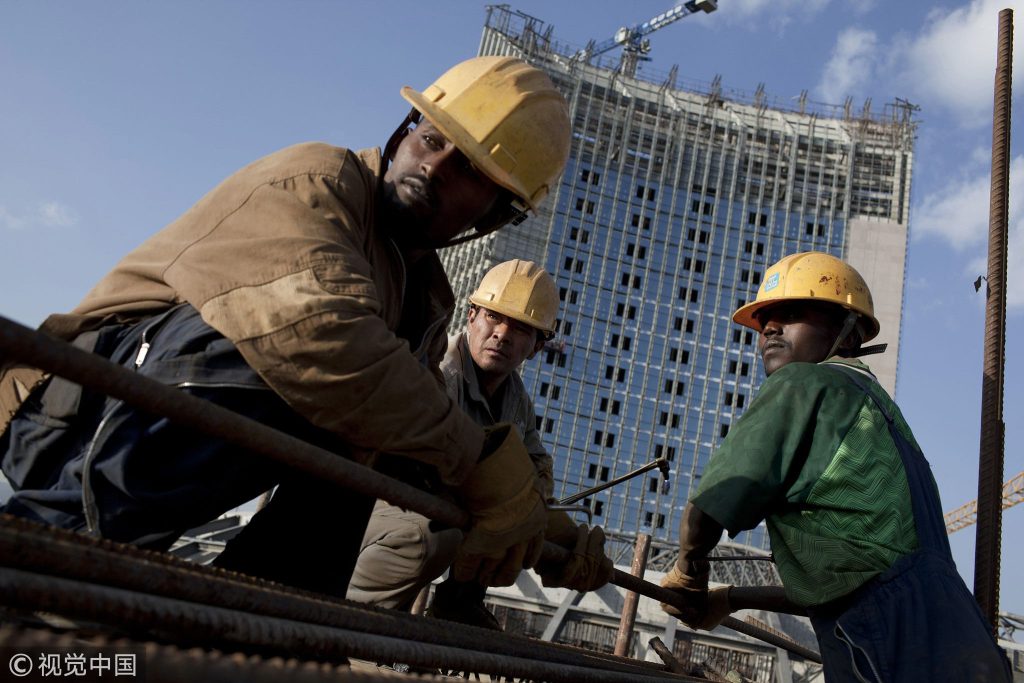
Construction workers remain vulnerable to injury and death (Photo Credit: VCG)
In challenging times, dialogue between employers and employees becomes more important than ever. When workers feel valued and supported, they are more motivated to contribute to organizational success and to remain committed during difficult periods.
The role of government and policy
Government policy remains central to improving the lives of workers. Labour Day provides an opportunity to reflect on the importance of economic stability, job creation, and social protection. Expanding safety nets can help vulnerable workers withstand economic shocks, while investment in agriculture, manufacturing, tourism, and small enterprises can create employment opportunities.
Efforts to stabilize fuel supply, control inflation, and strengthen the economy are essential for restoring confidence and improving living standards. Policies that promote fair wages and protect workers’ rights are equally important.
The role of trade unions and social dialogue
Trade unions remain an important voice for workers in Malawi. Their role in advocating for fair wages, safe working conditions, and social dialogue is more important than ever. Constructive engagement between government, employers, and labour representatives can lead to solutions that balance economic realities with worker welfare.
Strong social dialogue promotes trust, cooperation, and shared responsibility in addressing national challenges. Labour Day provides an opportunity to renew this commitment.
The continued relevance of Labour Day
Despite the hardships, Labour Day remains deeply relevant. It reminds the nation that workers are the backbone of the economy and that national development depends on their dedication and resilience. Malawian workers continue to demonstrate remarkable perseverance in the face of adversity.
Celebrating Labour Day in the current economic climate therefore carries deeper meaning. It is both recognition of resilience and a call to action.
A call for collective responsibility
As Malawi commemorates Labour Day amid fuel shortages and economic hardship, the occasion serves as both a celebration and a call to action. It challenges the nation to build an economy that rewards hard work with dignity, security and opportunity.
Workers must remain at the centre of national development. Their struggles must be acknowledged, their voices must be heard, and their welfare must be prioritized. Only through collective effort by workers, employers, government, and society can Malawi move toward a more inclusive and resilient economy.
Labour Day is therefore not just a celebration. It is a reminder of shared responsibility and a renewed commitment to building a better future for all Malawian workers.
*Hara is project officer at the Centre for Social Concern in Lilongwe.