Malawi at 62: We stand with our heads held high, but struggles remain
By Joseph Kayira
At 62, Malawi has endeavoured to fight poverty, hunger, disease and envy. Massive poverty and obscene inequality continue to blight the story of our independence. Over the years, our development partners have tried to assist us to live dignified lives but indifference and a laissez-faire attitude by those in authority to people’s welfare, are some of the reasons we remain chained and imprisoned in degrading poverty. At 62, our story should have changed so much for the better. The question we ask today, as we have done before, each time we are celebrating our nationhood as Malawians is: why do we continue to struggle over familiar issues?
The plea to our leaders is not to hesitate but to start addressing inequalities, injustices and economic problems affecting the majority of our people. The World Bank says Malawi has one of the four highest poverty rates globally, with 70 percent of its population living on less than $2.15 a day, based on a 2019 household survey.
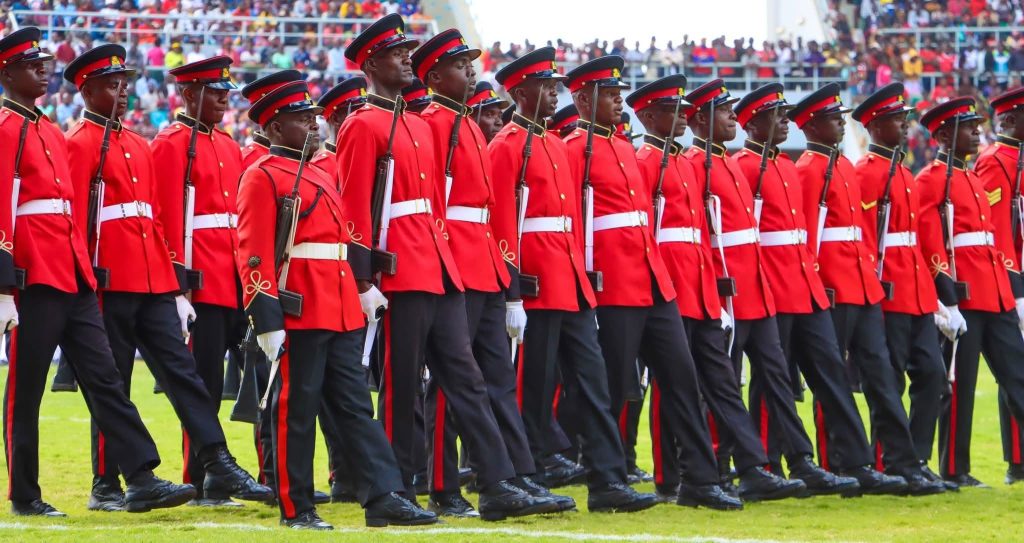
The World Bank further says the number of people living in poverty has increased by three million since 2010, reaching 13 million by 2019. Half of the population (51 percent) remains below the minimum caloric intake of 2,215 calories per day.
“Although this rate has remained stable since 2010, the growing population has led to an increase in the number of people unable to meet the minimum caloric requirement, rising from 7.5 million in 2010 to 9.5 million by 2019. The Gini coefficient indicates a decrease in income inequality from 0.45 to 0.39 over the past decade, primarily reflecting economic deterioration among higher-income households.”
These statistics should be a cause for worry for a country that is celebrating 62 years of independence, and blessed with underlying wealth stemming from its fertile agricultural land, abundant water resources (like Lake Malawi), untapped critical minerals, and a growing ecotourism sector. These natural and geological assets have immense potential to drive the country’s economic prosperity. But despite these resources, challenges remain. Malawi can become prosperous if all people begin to enjoy equal rights and opportunities.
The cancer of corruption remains systemic, and is stifling efforts to attract foreign direct investment and eating into hard-earned locally collected resources in form of taxes meant to implement key development projects. Malawians have witnessed in shock as corrupt bigwigs and powerful politicians get off the hook in graft cases that should have sent them to prison. Instead, it is the ‘small fish’ and the poor who are cornered and pinned down in perceived corruption cases. The cancer of bribery permeates many layers of public administration. There are instances, when investors have complained about the behaviour of government and local assembly officials who have been known to demand illicit fees and unjustified allowances from foreign investors and organizations.
Such officials must be hunted down and face the long arm of the law. Putting a stop to corruption requires more than strict legal frameworks; it heavily depends on developing a strong ethical foundation and fostering a culture of integrity. Internalizing these moral values limits the desire to engage in corrupt behaviors in both public and private sectors. We all agree today that corruption in Malawi severely erodes ethical standards and public trust, perpetuating poverty and inequality. We find solace in the president’s promise that there will be no sacred cows in the fight against corruption.
Xenophobic attacks on Malawians and other Africans
Thousands of foreign nationals living in South Africa have been in the limelight following violent xenophobic attacks perpetrated by local vigilantes. A citizen-led movement, March and March, that advocates more stringent immigration enforcement in South Africa, organized demonstrations against undocumented migrants in major cities.
There have been sporadic waves of violence against foreign nationals targeting Ghanaians, Malawians, Mozambicans, Nigerians, with the rise of vigilante groups like Operation Dudula which means “force out” in Zulu. According to Human Rights Watch, these vigilantes are scapegoating foreign nationals as the cause of South Africa’s economic woes, poor service delivery and high rates of crime. Yet studies disprove these claims.
Due to economic hardships, thousands of Malawians have trekked to South Africa. Such migration often referred to as “Economic migration”, involves our youths seeking employment and better living standards. These youths form an essential part of the workforce, fueling industries like agriculture, mining, and domestic services. In the face of xenophobic attacks they live in fear of being cornered by vigilantes and angry mobs telling them “it’s time to go home”. Sadly, the law enforcers and the political leadership have not been swift enough to deal with these attacks. We agree with those who say “No grievance or frustration can justify xenophobic attacks.”
Government is repatriating Malawians to come back home. There has been a lot of goodwill from businesspersons to fund the repatriation process. Bringing them back home is one thing; but another essential aspect of the whole repatriation process will be to consider them for economic empowerment. Local banks and government must offer soft loans to these Malawians to establish small scale business for their survival. Secondly government must create jobs for the youths as promised over the years. Otherwise, as they come back home, they are also thinking of ways to go back to the Rainbow Nation, despite the hostilities.
Conclusion
Malawi’s trajectory centres on the Malawi 2063 vision, aiming to transition into a wealthy, indu-strialized, and self-reliant nation. According to the World Bank, the new administration of President Peter Mutharika, has initiated a series of important policy reforms, but sluggish growth, heightened inflationary pressures, and insufficient investment continue to undermine living standards.
It says: “The newly elected administration has initiated important policy reforms to support macroeconomic stabilization since the September 2025 elections, but economic fundamentals remain weak. Malawi’s economy continues to struggle to keep up with population growth, resulting in eroding living standards.”
At 62, it is important to reflect on the journey that started in 1964 – and then the change that started in 1992 with the Catholic bishops pastoral letter, ‘Living Our Faith’ – and finally the referendum of 1993 and the General Elections in 1994. Malawi is not a hopeless case; it should continue laying the groundwork for positive transformation. By modernizing its agricultural sector, stabilizing the economy, and focusing on climate resilience, the country is shifting toward sustainable, long-term growth and increased community independence.
On governance, Malawi has been recognized as one of the top ten best-governed countries in Africa, reflecting steady improvements in political rights and democratic openness, which empower citizens to participate in their country’s progress. As we celebrate 62 years of independence, we must also remember that the battle against escalating vulnerabilities from climate change, economic instability, and persistent poverty, can be won if we join hands. Happy 62 years of independence!