Promises vs reality: The struggle for workers’ rights in Malawi
By Agness Nyirongo*
Every year on Labour Day, Malawi joins the rest of the world in commemorating the contributions of workers to national development. It is a day marked by speeches, celebrations, and renewed commitments to improving working conditions. Yet beyond the ceremonies lies a more difficult and pressing question: Are workers’ rights truly respected in Malawi?
The answer is complex. On paper, Malawi has a robust legal framework designed to protect workers. In practice, however, significant gaps remain between legislation and reality. This disconnect continues to shape the lived experiences of millions of Malawian workers across both the formal and informal sectors.
A strong legal foundation for workers’ rights
Malawi’s labour framework is anchored in key legislation such as the Employment Act (2000), the Labour Relations Act (1996), and the Workers’ Compensation Act. These laws outline fundamental rights and protections for employees, including fair wages, regulated working hours, occupational safety, and the right to join trade unions.
For instance, the law limits working hours to a maximum of 48 hours per week and guarantees overtime pay when employees exceed standard hours. Workers are also entitled to paid annual leave—typically at least 18 working days per year—and paid public holidays. In cases of workplace injury or illness, the Workers’ Compensation Act provides for financial compensation and support.
Additionally, the Labour Relations Act promotes freedom of association and collective bargaining, allowing workers to organize and advocate for their rights. Institutions such as the Malawi Human Rights Commission play a role in safeguarding broader human rights, including labour rights. On paper, therefore, Malawi meets many international labour standards. But legislation alone does not guarantee protection.
The reality on the ground
Despite this legal framework, many workers in Malawi continue to face difficult and often exploitative working conditions. The key challenge is not the absence of laws – but weak enforcement.
One of the most common issues is non-compliance with wage regulations. While employers are required to pay wages on time, delays and underpayment are still widely reported, especially in small businesses and informal employment arrangements. For many workers, particularly in rural areas, legal recourse is limited due to lack of awareness or access to labour offices.
Working conditions also remain a concern. Although the law restricts working hours, employees in sectors such as agriculture, domestic work, and retail often work long hours without proper overtime compensation. In some cases, workers are unaware of their rights or fear losing their jobs if they demand better conditions.
Occupational safety is another major issue. While legislation exists to ensure safe workplaces, enforcement mechanisms are often under-resourced. This leaves many workers exposed to hazardous environments without adequate protection or insurance.
The informal sector challenge
A significant factor complicating labour rights in Malawi is the dominance of the informal sector. A large proportion of Malawians – particularly in agriculture, small-scale trading, and casual labour – operate outside formal employment structures.
For these workers, legal protections are often theoretical rather than practical. Informal workers typically lack written contracts, social security, and access to grievance mechanisms. This makes them particularly vulnerable to exploitation, including low wages, job insecurity, and poor working conditions.
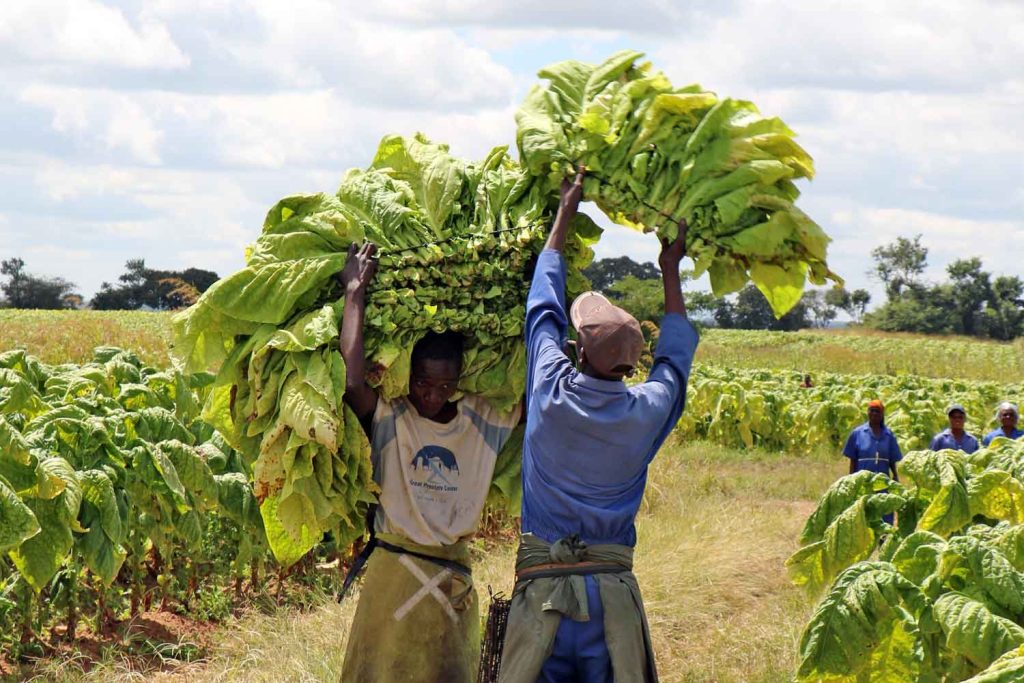
Workers in farms need better working conditions (Photo Credit: Internet)
Women and youth are disproportionately affected. Many women work in informal roles such as domestic service or market trading, where labour protections are weak or non-existent. Similarly, young people entering the labour market often accept precarious jobs due to limited employment opportunities.
Trade unions and collective bargaining
Trade unions play a critical role in defending workers’ rights, but their influence in Malawi has been mixed. While the law supports unionization and collective bargaining, union density remains relatively low in many sectors.
In some industries, unions have successfully negotiated better wages and working conditions. However, in others – especially the informal sector – workers remain largely unorganized. This weakens their bargaining power and limits their ability to advocate for improved conditions.
Furthermore, there have been concerns about resistance from some employers toward union activities. Workers may face intimidation or subtle pressure when attempting to organize, undermining the spirit of the Labour Relations Act.
Economic pressures and labour rights
Malawi’s broader economic challenges also play a significant role in shaping labour conditions. High inflation, unemployment, and slow economic growth have created a difficult environment for both employers and employees.
For employers, rising costs of doing business may lead to cost-cutting measures, including reducing wages or limiting benefits. For workers, the scarcity of jobs means that many are willing to accept poor conditions simply to earn a living. This creates a vicious cycle: weak labour protections contribute to poverty, while poverty itself limits workers’ ability to demand their rights.
Gender and labour rights
Gender inequality remains a persistent issue in Malawi’s labour market. Although the law provides for maternity leave – typically at least eight weeks with full pay – implementation varies across sectors.
Women often face additional challenges, including discrimination in hiring, lower wages, and limited opportunities for career advancement. In informal settings, protections against harassment and exploitation are particularly weak. Addressing gender disparities is therefore essential to improving overall labour rights in the country.
Enforcement: The missing link
Perhaps the most critical issue in assessing workers’ rights in Malawi is enforcement. Labour laws are only as effective as the systems that uphold them.
Labour inspections, dispute resolution mechanisms, and access to justice are often constrained by limited resources and capacity. Many workers are unaware of their rights or lack the means to pursue legal action when violations occur.
Institutions responsible for enforcement, while important, face challenges in reaching remote areas and informal workplaces. Strengthening these systems is key to bridging the gap between policy and practice.
Progress and opportunities for reform
Despite these challenges, there are signs of progress. Increased awareness of labour rights, efforts by civil society organizations, and ongoing legal reforms provide opportunities for improvement.
Government initiatives aimed at strengthening labour inspection systems and promoting formalization of businesses could enhance compliance. Similarly, investments in education and skills development may empower workers to secure better employment opportunities.
There is also growing recognition of the need to address structural issues such as economic diversification and job creation. A stronger economy would not only improve employment prospects but also create conditions for better enforcement of labour standards.
Labour Day: A Moment for Reflection and Action Labour Day should not only be a celebration – it should also be a moment of reflection. Are workers in Malawi truly protected? The answer is both yes and no. Yes, in terms of the legal framework that exists. But no, in terms of consistent enforcement and real-life experiences.
For meaningful progress, several actions are necessary: Strengthening enforcement of existing labour laws; expanding protections to informal sector workers; promoting unionization and collective bargaining; addressing gender inequalities in the workplace; and improving economic conditions to support decent work.
In conclusion workers are the backbone of Malawi’s economy. Their labour drives agriculture, fuels industries, and sustains communities. Yet many continue to work under conditions that fall short of the protections guaranteed by law.
As Malawi commemorates Labour Day, the question of workers’ rights remains both relevant and urgent. Bridging the gap between policy and practice will require commitment from government, employers, civil society, and workers themselves.
Only then can Malawi move toward a future where workers’ rights are not just written in law – but fully realized in everyday life.
*Nyirongo is economic justice programmes officer at the Centre for Social Concern in Lilongwe.