Malawi’s 62 years of struggles
Reflecting on independence, governance, politics and economic transformation
By Agness Nyirongo*
On 6 July 1964, Malawi attained independence from British colonial rule amid great hope and optimism. Citizens envisioned a nation that would provide prosperity, dignity, justice, and opportunities for all. Sixty-two years later, Malawi remains politically independent, but many of the aspirations that inspired the independence movement remain only partially fulfilled. While the country has recorded significant achievements in education, health, infrastructure, and democratic governance, it has also experienced persistent economic hardships, governance challenges, political tensions, and widespread poverty.
As Malawi commemorates 62 years of independence in 2026, it is important to reflect on the country’s journey, celebrate its achievements, and critically examine the struggles that continue to define the lives of millions of Malawians.
The promise of independence
When Malawi gained independence under the leadership of Hastings Kamuzu Banda, expectations were high. Colonial rule had left the country with limited infrastructure, low literacy levels, poor healthcare systems, and an economy largely dependent on agriculture.
The newly independent government focused on building national unity, expanding basic services, and creating institutions capable of governing a sovereign nation. Significant investments were made in road networks, agriculture, education, and public administration. During the early years of independence, Malawi experienced periods of economic growth and political stability that were often cited as examples within the region.
However, these achievements came at a political cost. Malawi became a one-party state where political freedoms were restricted. Citizens had limited opportunities to participate in governance, criticize leaders, or freely express political opinions. While development projects expanded, democratic rights remained constrained for nearly three decades.
The democratic transition and new hope
A major turning point occurred in 1994 when Malawi embraced multiparty democracy. The transition raised hopes that political freedom would translate into economic prosperity and accountable governance.
The democratic era brought important gains. Citizens acquired the right to vote freely, political competition increased, independent media expanded, and civil society organizations emerged as influential actors in governance debates. Democratic institutions such as Parliament, the judiciary, and oversight bodies became more visible in public life. Successive governments promised economic reforms, poverty reduction, anti-corruption measures, and improved service delivery.
Yet many Malawians soon discovered that democracy alone could not solve deep-rooted structural challenges. Over the years, democratic governance has often been undermined by political patronage, corruption scandals, weak institutions, and the prioritization of political interests over national development goals. Elections have frequently generated political tensions, legal disputes, and divisions that distract attention from pressing socio-economic concerns.
Persistent economic struggles
Perhaps the most enduring challenge throughout Malawi’s 62 years of independence has been economic vulnerability.
Malawi remains heavily dependent on agriculture, particularly tobacco exports, despite repeated calls for economic diversification. This dependence exposes the country to fluctuations in global commodity prices, climate shocks, and changing international market conditions. Agriculture employs the majority of Malawians, yet productivity remains low due to limited irrigation, inadequate mechanization, poor access to markets, and increasing climate-related challenges.
Droughts, floods, cyclones, and erratic rainfall patterns have repeatedly undermined food security and economic growth. The country’s industrial sector remains relatively small, while manufacturing contributes only modestly to economic transformation. Many young people entering the labor market struggle to find meaningful employment opportunities.
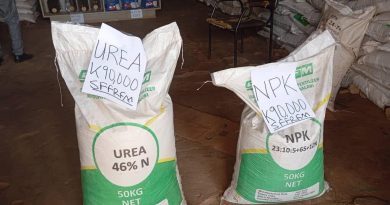
Over the years, Malawi has also experienced recurring foreign exchange shortages, inflationary pressures, fuel scarcity, and rising costs of living. These challenges have affected businesses, households, and public institutions alike.
Today, many families face increasing difficulty meeting basic needs such as food, transportation, healthcare, education, and housing. Rising prices continue to erode purchasing power, particularly among low-income households.
Despite numerous development strategies and reform programs, poverty remains widespread. Millions of Ma-lawians continue to live below the poverty line, highlighting the gap be-tween economic growth statistics and lived realities.
The burden of public debt
Another major concern is the growing burden of public debt. Successive governments have relied on both domestic and external borrowing to finance development projects and address fiscal challenges. While borrowing can support development when managed effectively, concerns have emerged regarding debt sustainability and the country’s capacity to generate sufficient revenue for repayment. Large debt obligations reduce fiscal space available for investments in critical sectors such as education, healthcare, agriculture, and infrastructure.
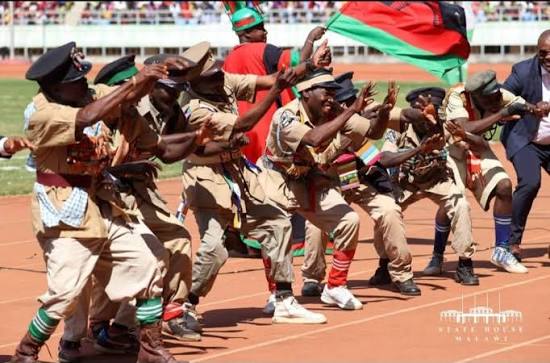
Celebrating Malawi’s independence
At the same time, debt servicing consumes resources that could otherwise support poverty reduction and economic transformation. The challenge facing Malawi is not simply the amount of debt but ensuring that borrowed resources generate productive investments capable of stimulating growth and improving citizens’ welfare.
Corruption and governance challenges
Corruption remains one of the most significant obstacles to national development. Over the years, Malawi has witnessed several high-profile corruption scandals involving public funds. Such cases have undermined public trust in government institutions and weakened confidence among development partners and investors.
Corruption diverts resources away from essential public services, increases the cost of doing business, and discourages investment. Funds intended for schools, hospitals, roads, water systems, and social protection programs often fail to achieve their intended impact when governance systems are compromised. Although governments have consistently pledged to fight corruption, implementation has often fallen short of public expectations.
Weak accountability mechanisms, delays in prosecution, and political interference have contributed to perceptions that anti-corruption efforts are selective or ineffective. Strengthening transparency, accountability, and institutional independence remains essential if Malawi is to overcome one of the most persistent barriers to development.
Public service delivery: Progress and persistent gaps
Since independence, Malawi has made considerable progress in expanding access to education and healthcare. Primary school enrollment has increased significantly compared to the colonial era. Health facilities have expanded across many districts, contributing to improvements in life expectancy and reductions in child mortality.
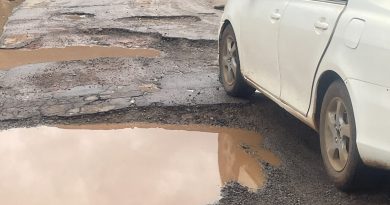
However, access does not always translate into quality. Many schools face shortages of classrooms, teachers, learning materials, and sanitation facilities. Overcrowded classrooms remain common, particularly in rural areas. Similarly, health facilities often struggle with inadequate staffing, medicine shortages, insufficient equipment, and limited infrastructure.
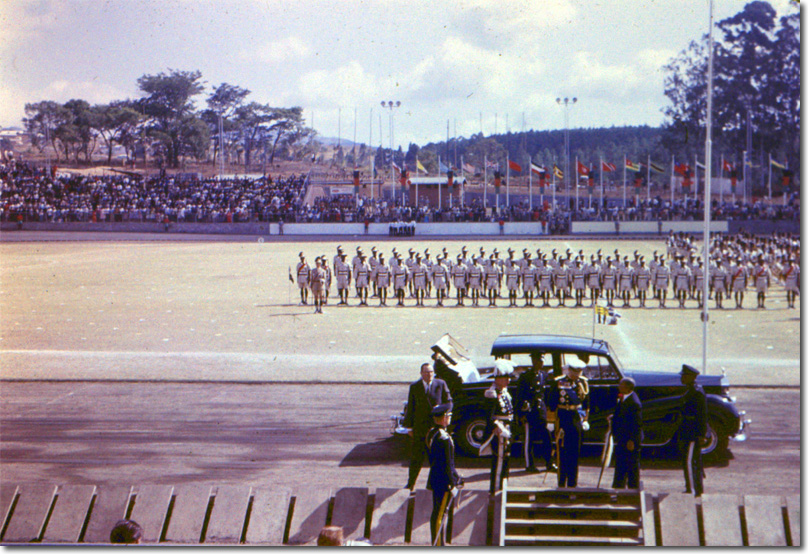
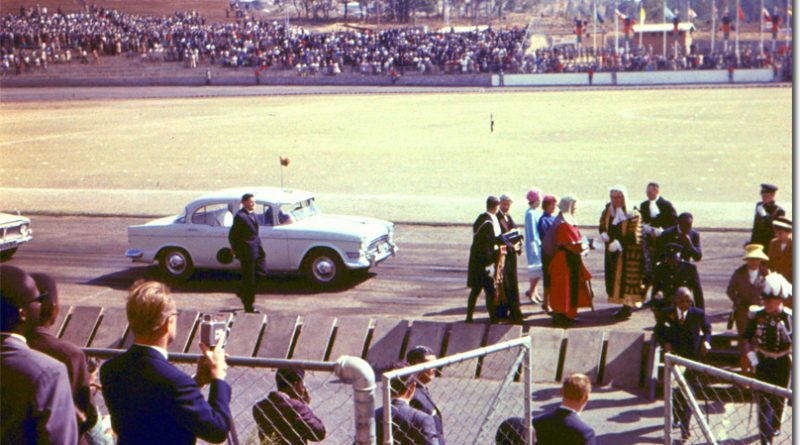
Nyasaland became independent as Malawi on July 6th, 1964. The photograph show the last governor, Sir Glyn Smallwood Jones and Prince Philip, the Duke of Edinburgh, who represented the Queen.
Access to clean water, reliable electricity, quality roads, and agricultural extension services remains uneven across the country. Rural communities frequently face greater challenges in accessing essential services compared to urban populations. These service delivery gaps continue to affect human development outcomes and limit opportunities for economic advancement.
Youth unemployment and the future generation
One of the defining challenges of contemporary Malawi is youth unemployment. Young people constitute a large proportion of the population and represent both a tremendous opportunity and a significant policy challenge. Each year, thousands of graduates and school leavers enter the labor market, yet formal employment opportunities remain limited. Many young people survive through informal economic activities characterized by low earnings and limited social protection.
Others migrate to urban centers in search of opportunities that often prove elusive. Without substantial investments in job creation, entrepreneurship, technical skills development, and industrialization, Malawi risks failing to harness the demographic potential of its youthful population. The future of the country will largely depend on its ability to transform young people from job seekers into productive contributors to economic growth.
Climate change: A new independence struggle
Unlike the generation that fought for political independence, today’s Malawi faces a different struggle: climate change.
The increasing frequency of droughts, floods, and cyclones poses serious threats to livelihoods, food security, infrastructure, and economic stability. Communities across the country have experienced devastating losses due to climate-related disasters. For an economy heavily dependent on rain-fed agriculture, climate change represents one of the greatest development challenges of the twenty-first century.
Addressing this threat requires investments in climate-resilient agriculture, irrigation systems, disaster preparedness, environmental conservation, and renewable energy solutions.
The resilience of Malawians
Despite numerous challenges, Malawi’s greatest strength remains its people.
Across decades of economic hardship, political transitions, and natural disasters, Malawians have demonstrated remarkable resilience. Communities continue to support one another during crises. Civil society organizations advocate for accountability and social justice. Faith-based institutions provide critical social services and promote peaceful coexistence.
The country’s democratic institutions, though imperfect, have shown an ability to evolve and respond to public demands. Citizens continue to participate actively in elections, public debates, and community development initiatives. This resilience provides hope that Malawi can overcome its current difficulties and build a more prosperous future.
Conclusion
Independence beyond the flag 62 years after independence, Malawi’s journey reflects both achievement and unfinished business. Political freedom was achieved in 1964, and democratic governance was strengthened in 1994. Yet economic independence, social justice, and broad-based prosperity remain aspirations rather than realities for many citizens.
The story of Malawi’s independence is therefore not only about liberation from colonial rule but also about the continuing struggle against poverty, corruption, unemployment, inequality, and underdevelopment.
As the nation reflects on 62 years of self-rule, the challenge is clear: transforming political independence into meaningful economic and social pro-gress for all citizens. This requires visionary leadership, accountable governance, economic diversification, investment in human capital, and a renewed commitment to the public good.
*Nyirongo is economic justice programme officer at the Centre for Social Concern in Lilongwe.