One Acre Fund’s programmes changing lives for the better in Balaka
By Joseph Kayira
One Acre Fund’s vision is to serve all Malawian farmers so they can build farms for the future, or “munda wa makono” in Chichewa. This means that farmers will have enough food and income for their daily needs, and, at the same time, are able to build security and resilience for the future. Equally, One Acre Fund tackles climate change by helping smallholder farmers build resilience through agroforestry, soil health restoration, and financial risk-sharing tools like agricultural reinsurance. In this interview, Donald Chunga, One Acre Fund’s Local Government Relations and Policy Senior Representative highlights developments on the projects the organization is implementing, especially in Balaka. The excerpts
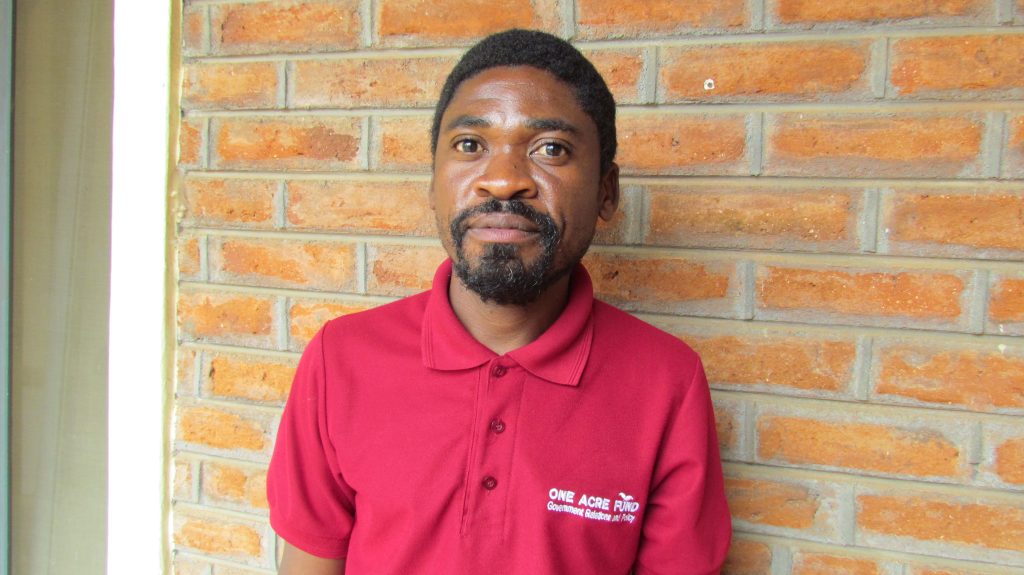
Chunga: My message to farmers is to plant, protect, and value trees as part of our long-term response to climate change
Please explain them in detail the projects that One Acre Fund is implementing in Balaka?
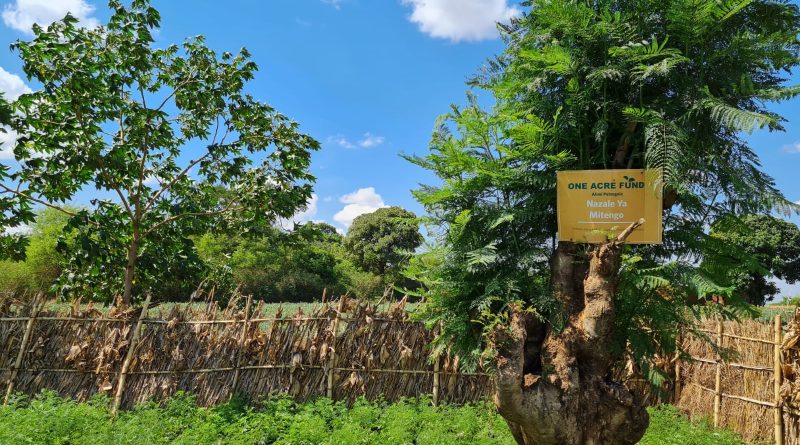
One Acre Fund is currently implementing two key programs in Balaka. The first is the Tree Programme, through which we support government and community efforts in tree planting, reforestation, and environmental restoration. We establish community-based tree nurseries and work with local community members to raise seedlings. Once the seedlings are ready, they are distributed to farmers free of charge for planting on their farms and in other suitable areas. Beyond distributing seedlings, we also encourage farmers to protect and care for the trees to improve their survival and long-term impact.
The second programme is Rural Retail, which aims to improve farmers’ access to quality agricultural inputs. In Balaka, we currently have two Rural Retail shops—one in Balaka town and another at Ulongwe. Through these shops, farmers can conveniently access quality farm inputs using cash or lay-by payment arrangements, making it easier for them to obtain the inputs they need for their farming activities.
How many farmers are you targeting in the district and since the projects started how many farmers have you reached?
Our long-term goal is to see every farmer participating in tree planting every season. However, recognizing that this cannot be achieved all at once, we have taken a gradual approach, expanding our reach and participation with each season.
For the 2027 season, our target is to reach at least 50,000 farmers through the Tree Programme. In the previous season, we successfully reached approximately 38,000 farmers, demonstrating significant progress toward our goal.
Do we know how many EPAs you are working in and what has been the progress in terms of empowering farmers?
We started the Tree Programme in one EPA, Mpilisi, in 2019. Since then, we have steadily expanded our reach and today, the program covers all EPAs in Balaka. This growth demonstrates the progress we have made in promoting tree planting across the district.
More importantly, we are seeing a gradual change in mindset among farmers and communities. Little by little, farmers are embracing the importance of planting, protecting, and managing trees as part of their farming practices.
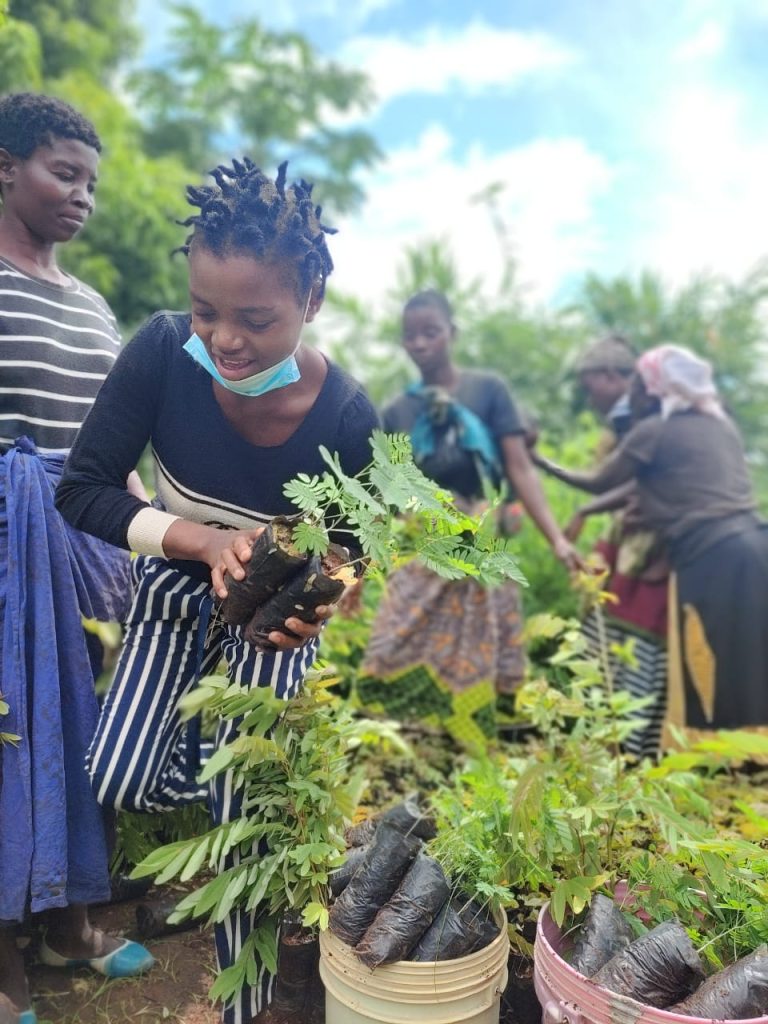
Communities are realising that they have a crucial role to play in caring for the environment
How would you describe your efforts in providing access to quality seeds, fertilizer, and tree seedlings on credit to farmers and institutions in Balaka?
Our efforts as the One Acre Fund would be described as proactive and focused on ensuring that farmers in Balaka have improved access to quality seeds and fertilizer through our shops and tree seedlings in their communities.
We have worked closely with government stakeholders to facilitate coordination, approvals, and timely implementation of the programmes. Through these efforts, we have strengthened collaboration with key government structures and expanded our reach to more farmers across Balaka.
How is climate change impacting smallholder farmers in Balaka?
Climate change is increasingly affecting smallholder farmers in Balaka through prolonged dry spells, unpredictable rainfall, high temperatures, and soil degradation, all of which negatively affect crop productivity.
This makes tree planting and agroforestry particularly important as part of the response to climate change. Trees help improve soil health, reduce erosion, conserve moisture, provide shade and wind protection, and contribute to restoring degraded land.
What measures have you put in place to mitigate impacts of climate change?
We have put several measures in place, with a strong focus on tree planting and agroforestry as a long-term response to climate change. Through the Tree Program, we support farmers to plant and manage trees on their farms, including other beneficial tree species.
We also promote practices that improve soil health, reduce erosion, conserve moisture, and restore degraded land. We work closely with farmers, traditional leaders, and other stakeholders to encourage tree establishment and ensure that farmers receive the necessary guidance and support.
What are the challenges that you are facing when it comes to tree planting and making sure that forests are protected in Balaka?
One of the challenges is ensuring that farmers continue to care for and protect the trees after planting. Farmers would take the tree plant them but fail to take care and protect the trees. This is why we are putting more emphasis on community engagement, farmer awareness, and regular follow-up to improve tree survival and protection. We believe that tree planting should go together with tree management and protection.
How many trees have you planted so far – in as far as the project is concerned from last season?
Through the One Acre Fund Tree Programme, we have made significant progress in supporting farmers to plant trees as part of building climate-resilient farming systems. For Balaka specifically, one million and seven thousand trees were planted during the last season.
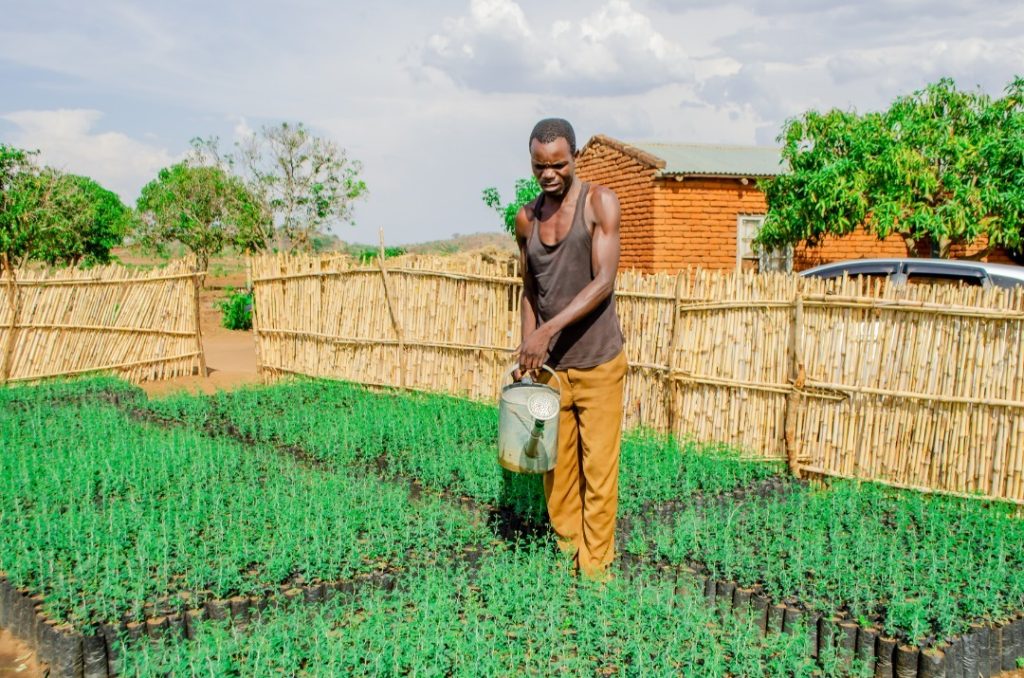
Protecting forests and the environment begins with a well cared for nursery
Beyond the number planted, our focus is also on tree survival and long-term management, because the impact of the programme depends not only on putting seedlings in the ground but ensuring that farmers protect and manage them until they are established
What does the future hold for your projects in Balaka? Are they sustainable?
The future of our projects in Balaka is focused on strengthening the Tree Programme. We want to see more farmers integrating trees into their farming systems, particularly trees that can improve soil health, protect farms from environmental degradation, and provide additional benefits to households.
Sustainability will depend on strong ownership by farmers and communities. Our approach is not simply to distribute seedlings but to build a culture where farmers understand the value of trees and continue managing them beyond the program period.
What is your message to farmers in Balaka when it comes to preparing for El Nino weather pattern whose impact is anticipated to be drastic?
My message to farmers is simple: prepare now and do not wait until the effects of El Niño are already being felt. This is the time to take action.
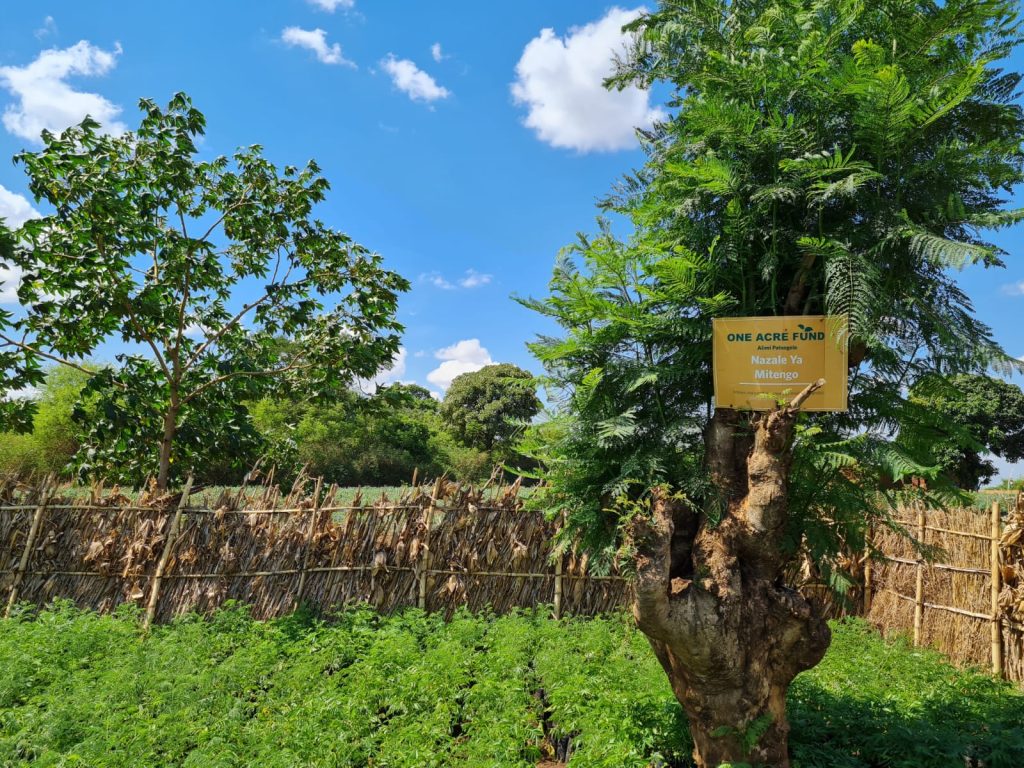
Farmers should put into practice the recommendations provided by extension workers, actively follow agricultural information shared through radio programmes, and make full use of the expertise and support available in their communities. Farmers should also adopt climate-smart practices, conserve soil and water, protect their trees and seedlings, and plan carefully for the season ahead.
Every farmer has a role to play. Let us act early, listen to the advice available to us, and put that advice into practice. The actions we take today can help protect our crops, trees, livelihoods, and families from the potential impacts of El Niño.
Your last word?
My final message to farmers is to plant, protect, and value trees as part of our long-term response to climate change. Trees play an important role in improving soil health, reducing erosion, conserving moisture, providing shade, and protecting farms from harsh environmental conditions.
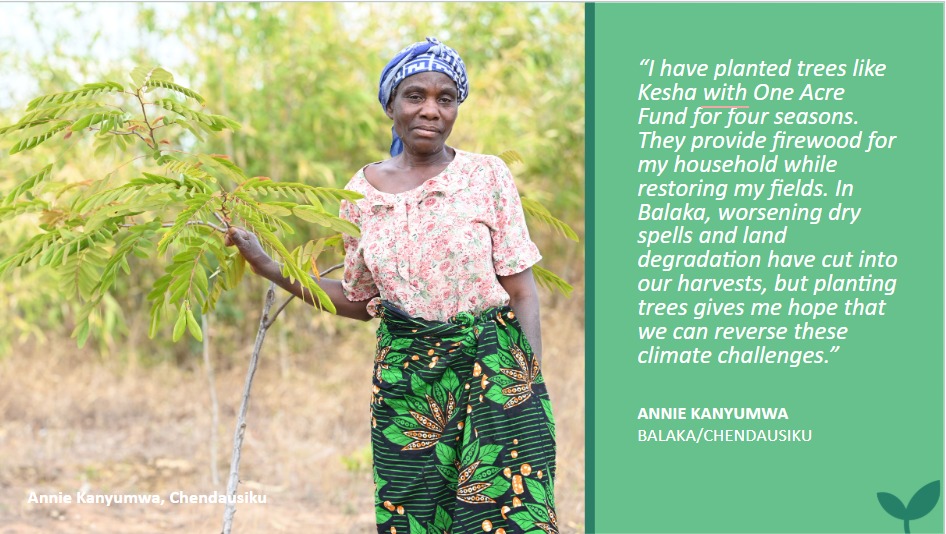
Farmers should not only plant trees but also ensure that they survive by protecting seedlings from livestock, fires, and other threats, while continuing to care for and protect existing trees.
Tree planting is not an immediate solution to El Niño, but it is a long-term investment in building more resilient farms, families, and communities. I therefore encourage every farmer in Balaka to take action today—plant a tree, protect the trees you already have, and encourage others to do the same.
The trees we plant and protect today will help protect our land, support our livelihoods, and benefit future generations. Let us act now, because building a climate-resilient Balaka starts with each one of us.