The rise and rise of Bangwe music
By Temwa Mhone
Tucked among the Mpingwe, Bangwe and Malabvi hills is one of Malawi’s populous townships: Bangwe.
At the mention of Bangwe, one has to imagine the worst-case scenario. When one says ‘Uiona Bangwe’, you should expect to be inflicted with any kind of pain. People who are born here have to fight to survive.
The area is made up of Ntopwa, Banana, Bisiyere (BCA), Mvula, Bisani, Mwamadi, Wisiki, Nthandizi and Namiyango, among others. Despite being associated with ghetto lifestyle, the township is a mixbag of all social classes.
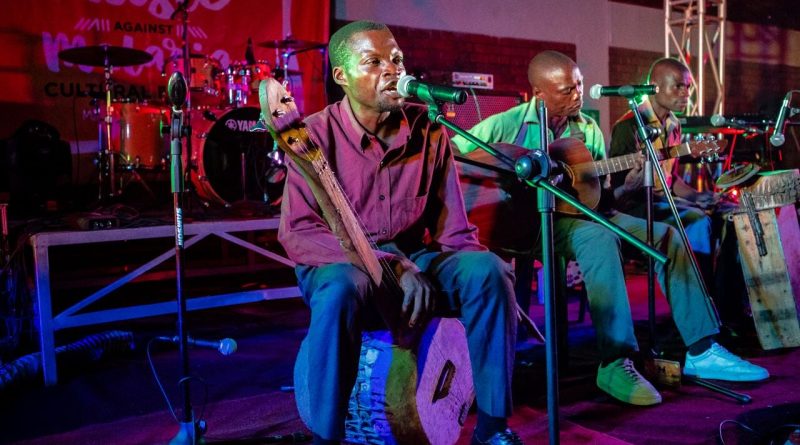
However, Bangwe is a musical instrument tied to African culture, which has seven-strings while other version got 21 strings.
For generations, the township has been resident to several musicians who have entertained Malawians. From bands/groups: Lucky Stars, Fikisa and Kasambwe Brothers to individuals such as Allan Namoko and Joe Gwaladi, Bangwe has sheltered vibrant composers and singers. It is in Bangwe where the late Ralph Ching’amba produced songs for Malawi’s reggae giants: The Black Missionaries.
With change in music taste, from 2015, Bangwe gave Malawians lyrical geniuses in Toast, Mafo and Nyasa B, who were a darling to the youth, the majority of the country’s population, because of their crazy and lovely rhythms.
n 2018, the ghetto’s Gen Z penetrated the hip hop scene when Shay B dropped hottest bars to win the year’s Made on Monday Freestyle Battle. Made on Monday is the high rated radio programme among the youth hosted by Joy Nathu on the state-funded Malawi Broadcasting Corporation (MBC) Radio 2 FM.
Came Mellz Kumpanje with a conversation-type of music riding on drill beats bursting speakers. Sensational Zonke and a marvel performer Fada Moti are dropping social relatable songs, stamping their permanent marks on the urban music industry.
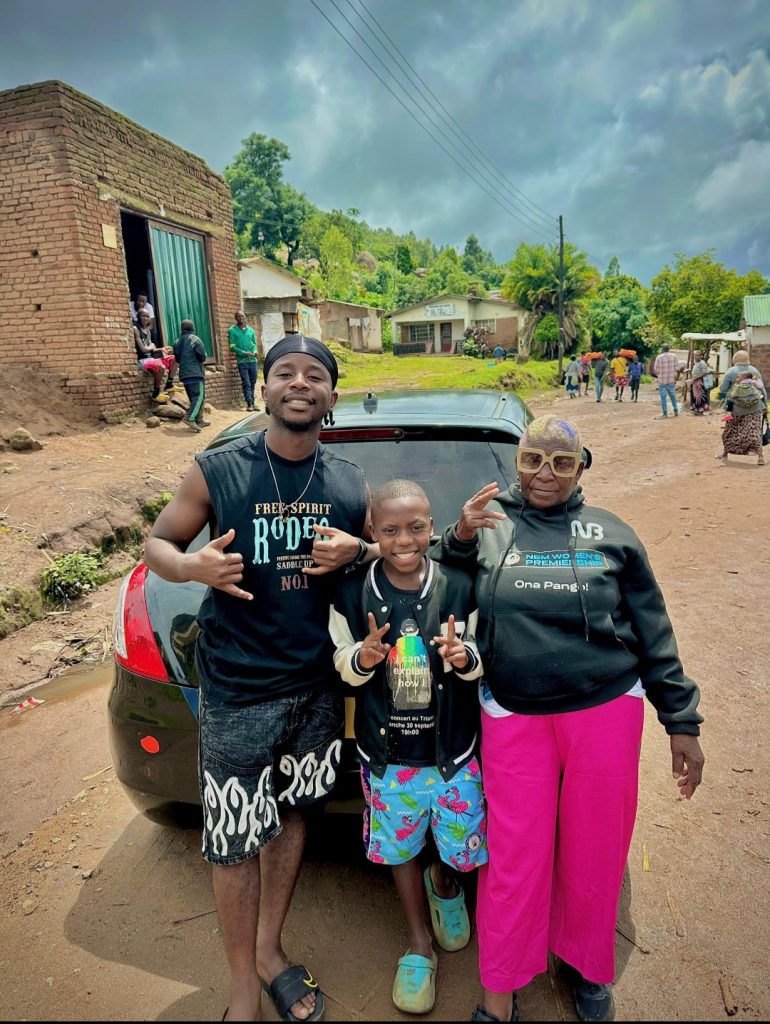
Emm Dee, Juh and Jetu (Photo Credit: Temwa Mhone)
Songs such as Kutali, Mudyera, Angoni, M’sandithawe, Pachibale Pawo, Kamodzi, School Report, Kambuzi and Vote were done by these two and mostly produced by the ghetto’s magical hands and brains of Awosh and Bispa.
An industrious Emm Dee engaged his grandmother in the craft, who turned out to be a darling and a household name: Jetu, the ‘celeb wamkulu.’
Her success in the music industry has become a motivation to other aspects of life for people that “age is just a number and you make it in life when time right.”
From the Wisiki side of Bangwe, Jetu has given Malawians hits such as Waimanya, Simunatchene, Wakalamba Wafuna, Chakwaza and Pangolin, which was adopted by the National Bank of Malawi as a song for women’s football league.
Lovers and females go crazy with hits such as Mpweche, Two Two, Yekha, Nafe and Nyengo Zonse by the Bangwe-born-and-bred Kineo and Aidfest who are under Madness Entertainment.
There is a teenager by the name of Ajuh making in-roads with bangs into the industry with provocative and innovative Amapiano songs such as Ndani, Munali Kuti, Chedwa, Yesu and Musandinyase.
If Bangwe artists hold a music show, patrons with diverse taste of music genres will be satisfied to traditional, hip hop, afro, drill, and Amapiano that please both local and international ears.
Music keeps rising from this ghetto as it is the sustainable home of and key in nurturing arts.