From waste to resources: Turning trash into cash
By Sipho Graham Ndebele
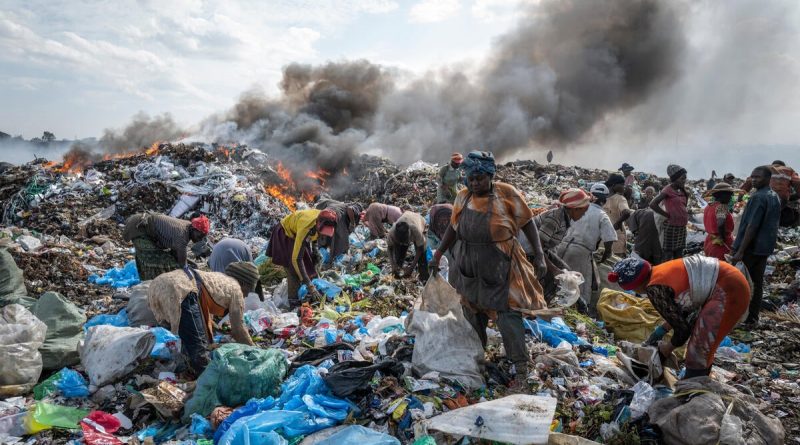
Walk through any market, township or roadside in Malawi and one thing becomes immediately clear, waste is everywhere. Plastic bags flutter from trees, discarded bottles clog drainage channels, food waste rots in open spaces, and smoke rises from burning rubbish. To many people, waste is simply something to throw away, but what if that same waste could become a source of income, employment and environmental restoration?
Waste refers to any material or object that is discarded because it is no longer wanted or useful. Waste can be grouped into several categories. Organic waste (naturally decompose such as food leftovers or crop residues); plastic waste (naturally does not decompose such as plastic bottles and containers); glass waste (bottles and jars); metal waste (aluminium cans, scrap iron and steel). Another rapidly growing category is electronic waste (e-waste) such as broken phones, computers, televisions and batteries.
Malawi is experiencing a growing waste management crisis driven by rapid urbanisation, population growth and changing consumer lifestyles. According to the United Nations Environment Programme (UNEP), Lilongwe generates approximately 553 tonnes of waste every day, while Blantyre produces about 435 tonnes daily. Alarmingly, nearly 72% of waste generated in Malawi is either openly dumped or burned, largely because waste collection and disposal systems remain inadequate.
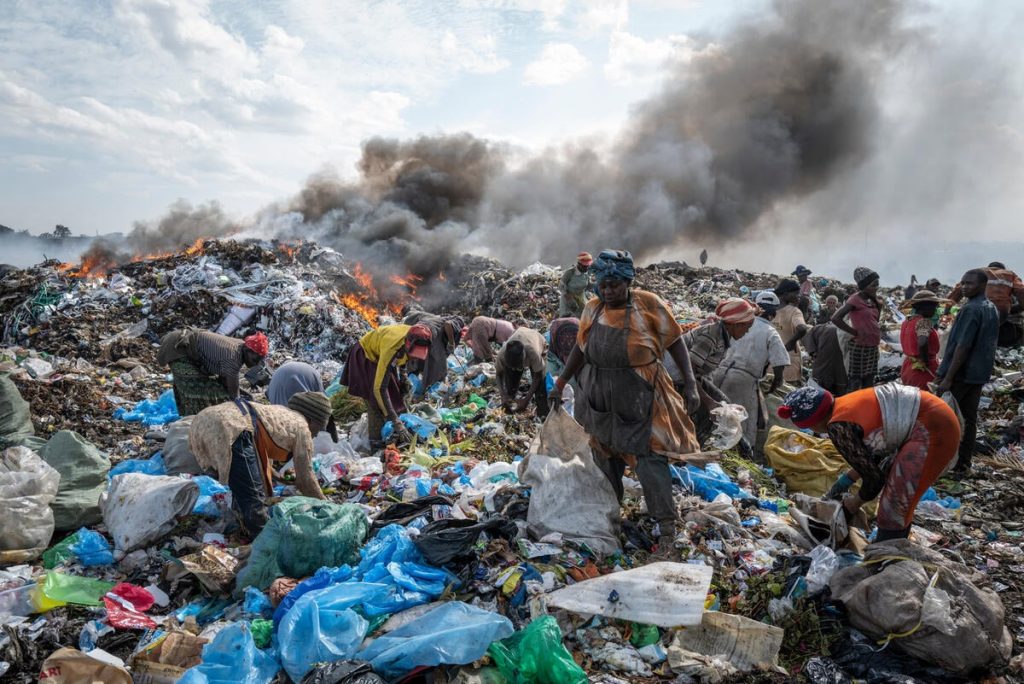
Plastics pose a serious health hazard to humans (Photo Credit: Internet)
Poor waste management has far-reaching consequences for both people and the environment. Open dumping creates breeding grounds for mosquitoes and flies, increasing the spread of diseases such as malaria and cholera. Burning waste releases toxic chemicals into the air, contributing to respiratory illnesses. Waste dumped into rivers contaminates water sources used for drinking, irrigation and fishing, while blocked drainage systems worsen flooding during the rainy season.
Environmental impacts are equally severe. Plastic pollution threatens fish and other aquatic life in Lake Malawi as animals mistake plastic for food. Soil quality declines when waste is dumped, reducing agricultural productivity. Open waste sites also emit greenhouse gases such as methane from decomposing organic matter, contributing to climate change.
Despite these challenges, waste also presents enormous economic opportunities particularly for young entrepreneurs. Organic waste, which makes up the largest proportion of household waste in Malawi, can be converted into compost and organic fertiliser to improve soil fertility and reduce farmers’ dependence on expensive chemical fertilisers.
Crop residues, livestock manure and food waste can also be processed into biogas for clean cooking and electricity generation, providing affordable energy while reducing pressure on forests for firewood and charcoal.
Innovative technologies such as Black Soldier Fly farming can transform food waste into high-protein livestock and fish feed, creating a sustainable solution for the growing poultry and aquaculture industries. Plastic waste, one of Malawi’s fastest-growing environmental challenges, also presents remarkable business opportunities. Discarded plastic bottles, bags and packaging can be collected, sorted and recycled into paving blocks, roofing tiles, fencing posts, flowerpots, school desks, chairs and durable household furniture. Creative entrepreneurs are also transforming plastic waste into fashionable handbags, wallets, jewellery and reusable shopping bags, proving that products made from recycled materials can compete successfully in the marketplace.
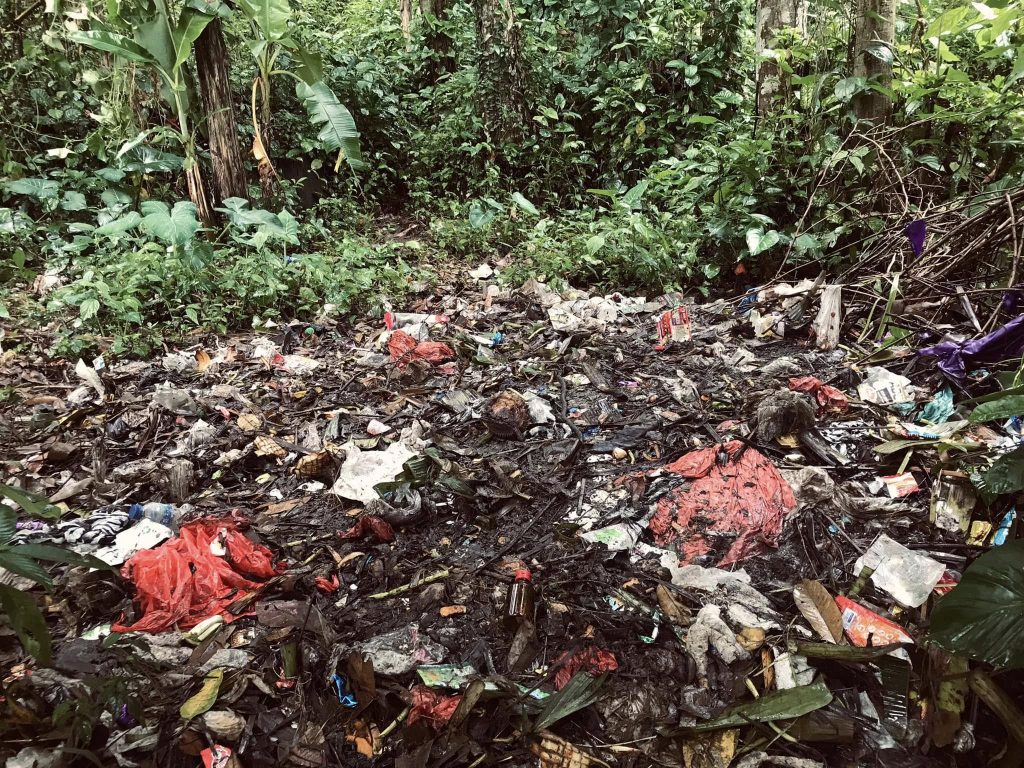
Poor waste management has far-reaching consequences (Photo Credit: Internet)
Paper, cardboard and glass waste also have significant economic value. Wastepaper can be recycled into exercise books, egg trays, packaging materials, gift bags and handmade crafts, while glass bottles can be cleaned and reused or crushed to manufacture decorative tiles, building materials and artistic products. Scrap metal remains one of the most profitable recycling businesses, supplying raw materials for the production of gates, window frames, farm implements, furniture and other construction materials.
Similarly, used tyres can be transformed into playground equipment, garden furniture, flowerpots, livestock feeders and road safety barriers, extending their lifespan while reducing environmental pollution. Electronic waste is another rapidly emerging opportunity. As more Malawians use mobile phones, computers and household appliances, the amount of electronic waste continues to grow.
Rather than ending up in dumpsites, these items can be repaired, refurbished or dismantled to recover valuable materials such as copper, aluminium and other metals. Establishing safe e-waste collection and recycling centres would not only protect the environment from hazardous substances but also create skilled employment for technicians and entrepreneurs. Innovation is the opportunity to identify how to convert waste into resources for day-to-day use.