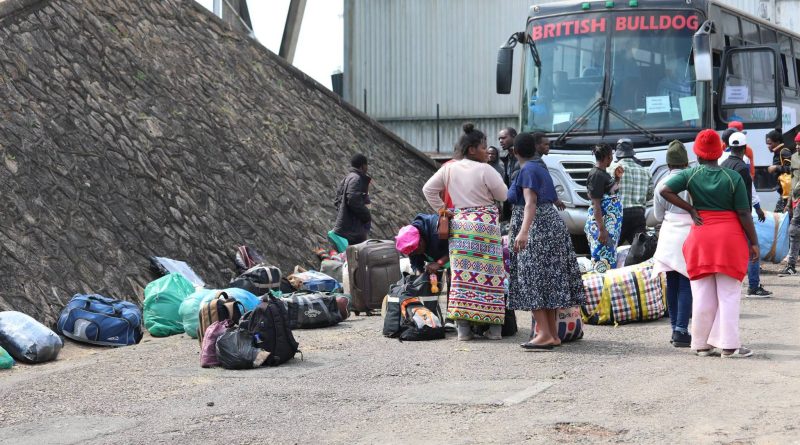
Xenophobic attacks: Why home is best
By Joseph Kayira
Thousands of Malawians who were living in South Africa—legally or illegally—have been forced to return home following a wave of xenophobic attacks against foreigners by vigilante groups, who believe that migrants are responsible for taking away jobs, straining social services, and contributing to high crime rates.
As is the case across much of Sub-Saharan Africa, many Malawian youths aspire to migrate to South Africa primarily to escape high unemployment and severe economic hardship at home. In many countries with struggling economies, young people dream of working in South Africa’s larger economy. Once there, many find themselves in low-paying, informal jobs but cling to them to make ends meet and send money back to their families.
Often referred to as economic migration, this movement involves young people seeking employment and better living standards. These migrants form an essential part of the workforce, contributing to industries such as agriculture, mining, and domestic services. However, that reality is beginning to change.
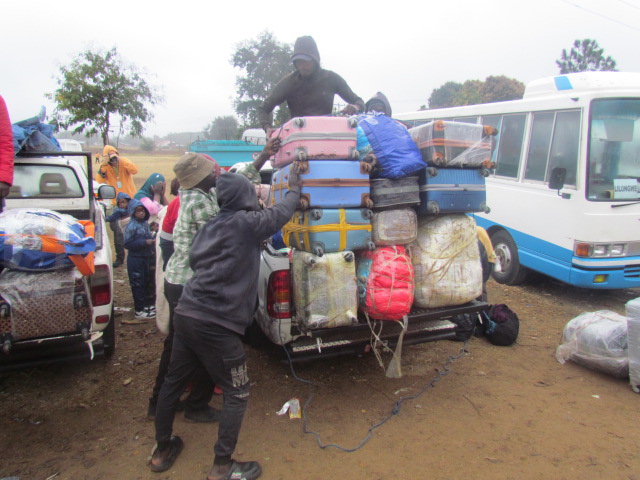
Returnees from South Africa leaving Mwanza for their respective homes (Photo Credit: Joseph Kayira)
The citizen-led movement ‘March and March’, which advocates stricter immigration enforcement in South Africa, has been targeting undocumented migrants in major cities, fuelling sporadic waves of violence against foreign nationals. Meanwhile, ‘Operation Dudula’—which means ‘force out’ in Zulu—has also targeted Ghanaians, Malawians, Mozambicans, Nigerians, and other African nationals with little mercy.
According to Human Rights Watch, these vigilante groups scapegoat foreign nationals for South Africa’s economic challenges, poor service delivery, and high crime rates. However, previous studies have disputed these claims.
Professor PLO Lumumba warns that what is happening in South Africa threatens the spirit of Ubuntu.
“Permit me to say this very painfully. Black South Africans are suffering from what is called the Stockholm syndrome,” he says.
Professor Lumumba argues that those behind the xenophobic attacks continue to tolerate the historical systems that oppressed them while directing their anger at fellow Africans. He contends that these attacks are better described as ‘Afrophobia’ because they primarily target Africans rather than foreigners in general.
He also points out that white South Africans continue to own a significant proportion of the country’s land and that places such as Orania remain exclusively for white Afrikaners.
He further criticises what he sees as the government’s slow and cautious response to the attacks, arguing that inflammatory rhetoric has encouraged violence against foreign nationals, resulting in deaths, destruction of property, and the displacement of many migrants.
Lumumba also rejects claims that foreign nationals are primarily responsible for crime in South Africa, arguing that available prison statistics show that most incarcerated offenders are South African citizens.
‘We Know Our Problems’
Writing in our sister publication, The Lamp magazine, Titani Chalira argues that the lack of opportunities remains the primary reason many young Malawians migrate to South Africa.
Historically, South Africa’s gold mining industry offered employment to thousands of Malawians through formal labour agreements between the two governments. According to Chalira, this reflected Malawi’s inability to create sufficient employment opportunities at home.
Today, he says, the situation has changed very little.
“The economy has not expanded sufficiently since independence to create enough opportunities for the youth. While it is important to acknowledge government efforts to equip young people with technical skills and start-up capital, these initiatives remain inadequate,” he says.
Chalira also identifies governance challenges—including corruption, nepotism, tribalism, and cronyism—as major contributors to youth migration.

South Africans are directing their anger at fellow Africans (Photo Credit: Internet)
He argues that qualified young people are often denied employment because they cannot afford to bribe officials, lack influential family connections, or belong to the “wrong” social or ethnic group. As a result, many lose faith in finding opportunities within Malawi.
Furthermore, Chalira believes Malawi has placed too much emphasis on consumption rather than production. As a predominantly importing nation, the country struggles to generate enough productive industries capable of creating sustainable employment.
The pressing question, therefore, is how Malawi can encourage young people to remain at home and successfully reintegrate those returning from South Africa. Does the country have the capacity to empower them economically and include them in decision-making? Can Malawi absorb their skills and labour in ways that contribute meaningfully to national development?
Another challenge is that many of those who migrate have only basic education and cannot compete effectively with university graduates in the formal job market. For many, migration appears to be the only viable option, and South Africa’s larger economy offers opportunities that Malawi currently cannot.
Unfortunately, many of these migrants face exploitation, particularly in agriculture, construction, hospitality, and domestic work. Undocumented workers often receive wages below the legal minimum, work excessively long hours, and endure poor living conditions because their immigration status prevents them from asserting their rights.
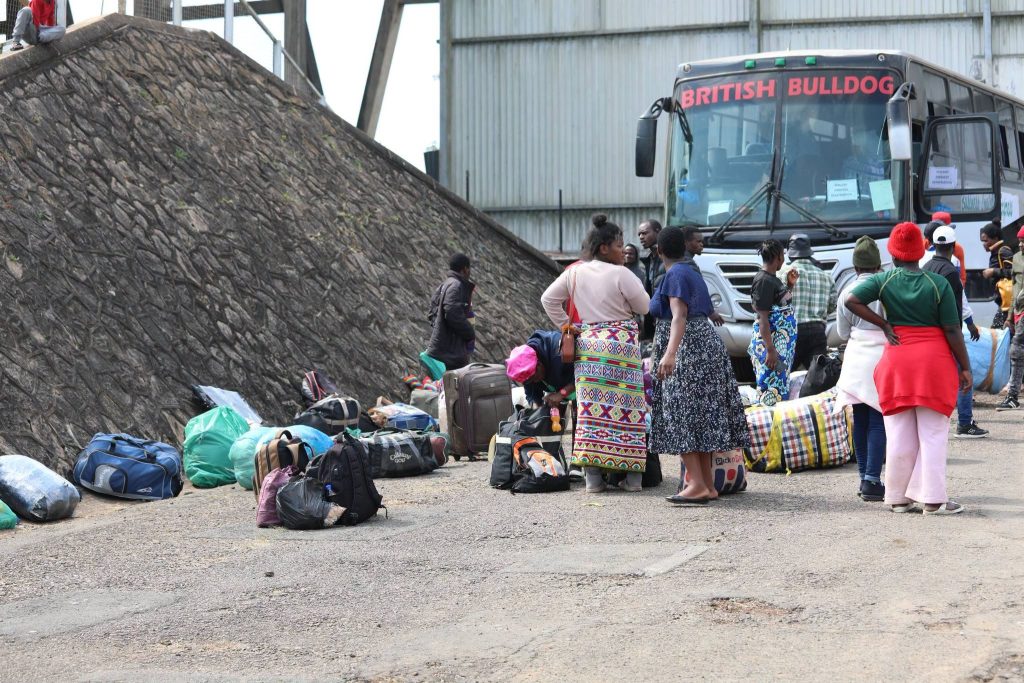
Some of the returnees at Kamuzu Stadium (Photo Credit: Internet)
Addressing this challenge should also involve encouraging young people to reflect carefully on their choices and embrace a mindset that values creating opportunities at home where possible. An Afrobarometer survey previously found that about half of young citizens had considered emigrating, primarily in search of employment and better economic opportunities.
Ultimately, the government and its development partners understand the challenges facing Malawian youth. What is needed now are sustained investments in entrepreneurship, productive industries, civic engagement, skills development, and catalytic financing that enable young people to move from being passive recipients of assistance to active drivers of economic growth.