Unbundling AI music
By Temwa Mhone
On Independence Day, the renowned Malawian music producer, DJ Megi, took to social media to express his worry about the domination of Artificial Intelligence (AI) generated songs being played in wedding ceremonies.
The AI is a computer system developed to conduct automated processes and generate content, among other tasks, which normally need a human being to command.
This technological advancement allows everybody to create content: songs and videos, even without basic knowledge of such entertainment production.
Like other creatives who have spent a big part of their lives honing their skills, DJ Megi feels their careers are going down the drain with the dominance of AI projects, which have become more pleasing to the public’s ears than ever before.
The studio business is being affected as artists are making beats and recording their voices over them. No need for producers. This is the major concern of DJ Megi as his ‘bakery’ is running out of ingredients to make his ‘bread.’
DJ Megi, born Mphatso Nanchinga, has produced Kondwa by Yo Maps, Mr Nobody by Onesimus, Ndidziwe by Tuno and Zonke Too Fresh and Namadingo’s Aka Nkoyamba, among many popular songs in the country.
Revellers in Malawi, like the rest of the world, have fallen head over heels towards the AI songs.
Earlier this year, the world was vibing to the viral hit: Let Me Be, which was done by a Rwandan artist, Elvin Cena, using AI tools. The song was released under an alias called The Second Voice.
The AI-powered tune broke records for holding position one on Billboard United States Afrobeats Songs Chart for six weeks, with over 47 million streams on Spotify.
Back home, Let Me Be does not need an introduction as revellers have lost their way in its lyrics and beats.
In late 2025, Mikeeysmind and Chill77 reworked a 2013 hit: Papaoutai, by the Belgian singer Stromae, using AI. The generated AI Afro-Soul cover breathed life into this classic, and it went viral in early 2026.
These songs are amassing millions of streams and views on Spotify and YouTube, respectively, within the shortest period of time.
AI is redefining the music industry, even locally, as people are using their imagination to create melodies that are exceptional and out of this world.
“Zibwenzizi ndaima kaye, Ndikuopa mtima kundiswera, Zachikondi ndapuma kaye, Ndikuopa mtima kundiswera, Koma ine, Ndili single, Chaka chino, Ndili single ineyo.”
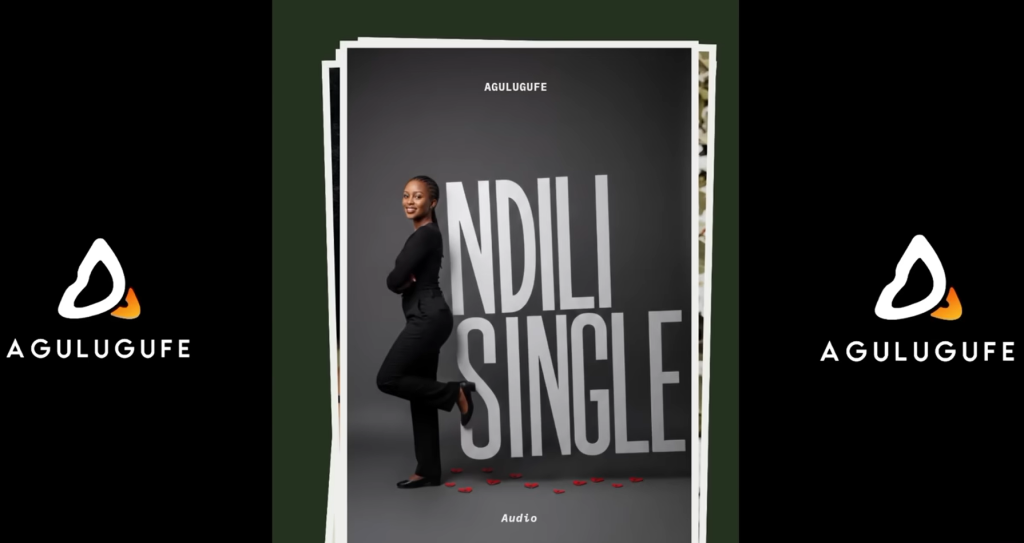
This is an AI-generated song titled: Ndili Single, which was produced by Agulugufe. It is enjoying airplay with over 1 million views on YouTube.
Agulugufe is an online band producing AI-powered songs. It has gone full throttle, releasing Chichewa songs with the latest drop on 14 July of 12 singles on Spotify.
However, some Malawians have started bemoaning the monotonous production of these songs and yearn for a human-magic touch.
A resident of Area 23 in Lilongwe, Chifuniro Gwaza, said AI songs are limited as they sound the same despite having different concepts.
AI in music production: Is it really a creative revolution? (Photo Credit: Internet)
“Most of the Agulugufe’s songs after, Ndili Single, flow with the same tone, beat and tempo. This calls for the producers to be creative enough to get a real person to voice the lyrics. For instance, Eli Njuchi has many songs, but they are very different. People need diversity in terms of style and everything,” she said.
The Agulugufe songs are just a tip of the iceberg of the influx of such tunes across the country.
Heated discussions on whether to pay royalties and register AI works have ensued not only in Malawi but across the world. YouTube has made it clear that such works cannot be copyrighted as they do not qualify for traditional music producing, publishing and performance royalties.
In June 2026, the Copyright Society of Malawi (Cosoma) announced that it also does not register or distribute royalties for creative works produced using AI.
In its statement, Cosoma said that the Copyright Act of 2016 does not include AI-generated content as it was ratified before AI was widely used in the industry.
The society informed the creators that such content is out of the scope of the copyright system because the protection is meant to reward and encourage human creativity, innovation and intellectual effort.
Whether one vilifies or glorifies this kind of music, these melodies cannot be ignored, as they are being woven into the fabric of the creative industry.