
Let us take a deep reflection on the culture of begging
Editorial by Joseph Kayira
Poverty remains one of the most severe and pervasive challenges facing Malawi. It continues to affect everyday life, human development, and economic stability. Millions of households live below the poverty line, and lifting them out of poverty may take many years if government policies continue to be implemented at a slow pace. Policymakers and decision-makers must therefore act with urgency to help Malawians live dignified and productive lives.
Sadly, many households have resorted to begging as a survival strategy. Increasingly, young people and even children view begging as the only way to cope with the economic hardships they face every day.
Society’s perception of begging is complex. Many people regard it as an act that strips individuals of their dignity, places them at the mercy of strangers, and encourages dependency rather than self-reliance.
Others argue that extreme poverty, unemployment, and systemic challenges leave vulnerable people—especially the youth—with few or no alternatives for survival.
In this issue of Together magazine, we examine some of the factors driving households and young people into begging. Poverty emerges as the leading cause. It is also a major reason why many young people abandon their education and turn to the streets in search of alms.

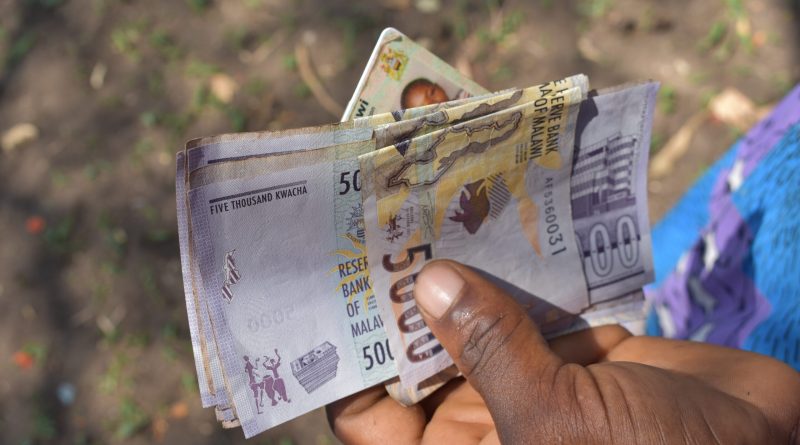
Many households struggle to raise money for daily survival (Photo Credit: Internet)
Statistics indicate that a significant proportion of Malawi’s population lives below the international poverty line and struggles to meet basic needs. In many rural districts, chronic poverty and food insecurity leave families with little choice but to beg for food and financial support.
We believe that social protection programmes can play a vital role in reducing begging by addressing the underlying causes of extreme poverty and vulnerability. Initiatives such as the Social Cash Transfer Programme (SCTP) provide the much-needed financial support to ultra-poor households, enabling them to buy food, invest in small businesses, and gradually build sustainable livelihoods. Strengthening and expanding such programmes could help many families, including young people, avoid resorting to begging.
It is equally concerning that poverty among university and college students is worsening. Many students are being driven into begging, transactional sex, and other degrading means of survival. This situation has been worsened by chronic underfunding of higher education and recent increases in tuition fees in public institutions.
With the majority of students coming from low-income and rural households, many struggle to meet the rising costs of tuition, accommodation, transport, and food. As a result, some turn to social media to appeal for financial assistance, while others go door to door seeking support from well-wishers. These students deserve stronger safety nets to enable them to complete their education without compromising their dignity or safety.
We agree with the view expressed in this Issue of Together magazine that while young people must strive to be resilient, they should not carry this burden alone. Government, the private sector, families, educational institutions, and communities – all have a responsibility to create employment opportunities, promote entrepreneurship, expand vocational training, and provide mentorship that equips young people with practical skills and hope for the future.
At the same time, we caution young people against schemes designed to manipulate unsuspecting individuals into giving away large sums of money. It is unethical to rely on deception or unnecessary dependence when one has the ability to work, learn, and earn an honest living. For example, rather than using social media solely to solicit financial support, students should also harness these platforms for learning, networking, innovation, and entrepreneurship.

There is no such a thing as ‘easy money.’ Sustainable wealth is built through hard work, discipline, persistence, and wise decision-making. Schemes that promise quick and effortless riches often end in disappointment and financial ruin. Consistency and honest effort remain the most reliable paths to long-term financial security.
As one contributor in this issue observes: “The idea of quick money is not new. Throughout history, people have been attracted to schemes that promise wealth without significant effort, patience, or investment. Today, these opportunities appear in different forms, including fraudulent investment schemes, online scams, gambling platforms, pyramid schemes, fake businesses, and illegal activities. They often target individuals who are desperate for financial solutions or those who want to improve their lifestyle quickly. These schemes usually present attractive promises such as doubling money within days, earning thousands of dollars from simple online activities, or becoming wealthy without any special skills. While some opportunities may appear legitimate at first, many are designed to exploit people’s hopes and vulnerabilities.”
Young people should reject a culture of dependency and instead embrace self-reliance. By pursuing education, acquiring vocational skills, engaging in entrepreneurship, and participating in youth empowerment programmes, they can build sustainable livelihoods and contribute meaningfully to national development.
Ultimately, reducing begging in Malawi requires a collective responsibility. Government must accelerate poverty reduction initiatives, the private sector must create more opportunities, communities must support vulnerable households, and individuals must be empowered to become economically independent. Only through such a shared commitment can Malawi build a society where dignity, opportunity, and hope replace desperation and dependency.
