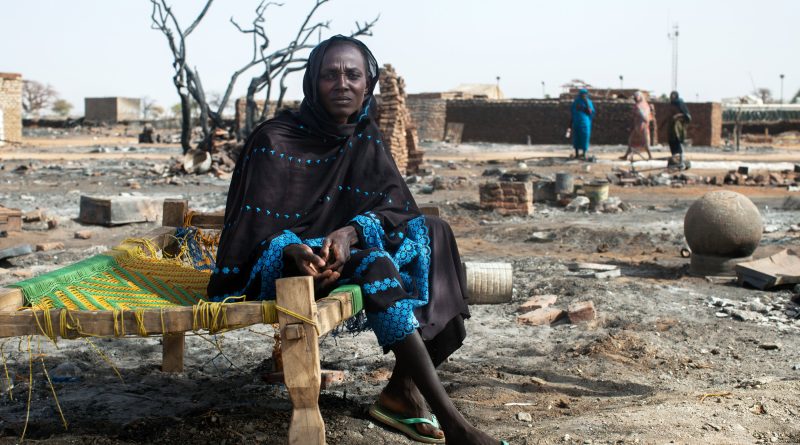
Understanding terrorism and extremism
By Dyson Mthawanji
Terrorism is the use of illegal violence and intimidation—especially against civilians—to pursue political, religious, or ideological aims. Extremism involves promoting ideologies that negate fundamental rights. Extremism often involves promoting ideologies that reject or negate fundamental rights, typically of certain groups. This can manifest as intolerance towards diversity, suppressing dissent, or advocating harm against others.
Such ideologies might draw on distorted interpretations of religion, nationalism, or other belief systems. They often create a binary “us vs them” narrative, dehumanising those who do not fit their worldview.
This negation of rights can be explicit, like advocating violence, or subtle, like pushing policies that marginalise minorities. Extremist groups might use propaganda to normalise discriminatory views, making them seem reasonable or necessary.
Examples include white supremacist ideologies negating racial equality or groups restricting women’s rights based on rigid cultural interpretations. In extreme cases, this leads to atrocities like genocide or terrorism.
Countering such extremism requires promoting inclusive narratives, protecting vulnerable groups, and ensuring laws protect everyone’s rights. Education and dialogue play key roles in challenging extremist ideologies.
Malawi’s constitution guarantees equality and dignity for all, providing a framework to counter extremist narratives. Internationally, human rights frameworks emphasise protecting fundamental rights as a bulwark against extremism.
In essence, extremism’s negation of rights often paves the way for harm and division. Upholding inclusive values and laws is crucial to counter this.
It also opposes democracy, and often create a permissive environment for violence. While related, extremism is primarily linked to thought, whereas terrorism is linked to violent action
Terrorism and extremism are terms often used interchangeably but represent distinct concepts with complex implications.
Terrorism typically involves using violence or threat of violence to achieve political, ideological, or social goals, often targeting civilians. The 1999 UN Convention describes terrorism as acts intended to cause death or harm to intimidate populations or governments. The 1999 UN Convention refers to the International Convention for the Suppression of the Financing of Terrorism. It aims to prevent and combat terrorism by criminalising the financing of terrorist acts. The key aspects include defining terrorist financing as providing funds for acts intended to cause harm or intimidate populations; requiring states to prosecute or extradite those involved; enhancing international cooperation.
Malawi ratified this convention, aligning with global efforts to curb terrorism funding.
Extremism refers to holding extreme views that reject mainstream norms, not necessarily involving violence. Extremist ideologies can fuel terrorism when combined with a willingness to use violence.
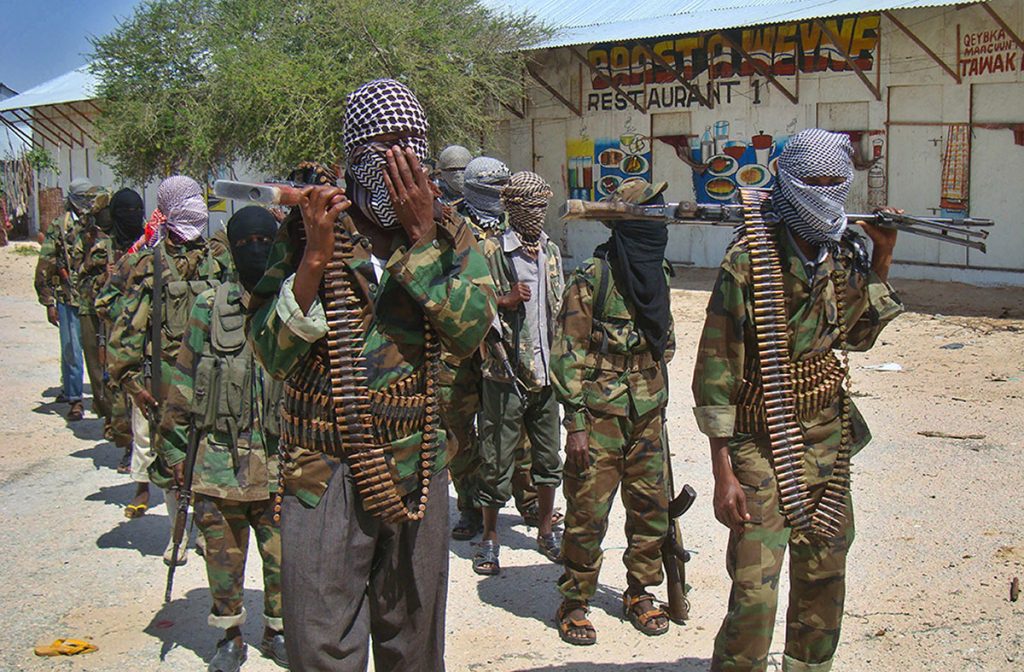
Mozambique is experiencing Al Shabab insurgency (Photo Credit: Internet)
The line between extremism and terrorism blinks depending on context. Peaceful protests can stem from extreme views, while terrorism actively seeks harm. Understanding motivations behind these acts is key to addressing them. Factors like poverty, political grievances, and social exclusion can drive radicalisation. Counter-terrorism efforts focus on disrupting plots, while counter-extremism strategies often emphasise inclusion and counter-narratives.
The challenge lies in balancing security with human rights, ensuring measures don’t fuel further radicalisation. International cooperation is crucial given terrorism’s transnational nature. Ending terrorism requires a multifaceted approach addressing root causes, enhancing security, and fostering global cooperation.
Terrorism thrinks when grievances are addressed. Poverty, political exclusion, and social injustice fuel radicalization. Development initiatives and inclusive governance can counter this. Strengthening laws and international collaboration disrupts terrorist networks. Sharing intelligence and joint operations target financing and planning.
Counter-narratives challenge extremist ideologies. Education and community engagement promote tolerance, reducing recruitment. Technology plays a dual role. Terrorists exploit it for propaganda, but tech also aids tracking and counter-messaging. Addressing lone-wolves requires vigilance and deradicalization programs. Prisons, schools, and online spaces need tailored strategies.
Global frameworks like the UN’s 16 counter-terrorism conventions provide structure. Cooperation beyond borders tackles terrorism’s transnational nature. Malawi’s context involves regional cooperation via SADC and AU frameworks. Locally, community resilience against radicalization is key. Ending terrorism needs sustained global effort combining security, development, and dialogue.