Weathering the storm: Lessons from cyclones and floods
By Sipho Graham Ndebele
Malawi has increasingly found itself on the frontline of climate-related disasters. Over the past decade, the country has experienced a series of devastating cyclones and floods that have destroyed homes, disrupted livelihoods, and strained national development efforts. While Malawi is not directly on the coast, storms originating from the Indian Ocean frequently pass through its neighbouring country, Mozambique before reaching Malawi with heavy rains and destructive flooding. These disasters have revealed both the country’s vulnerability and the urgent need for stronger environmental management and climate resilience.
A decade of cyclones and floods in Malawi
One of the most severe disasters in recent years was Cyclone Freddy, which struck southern Malawi in March 2023. The cyclone brought torrential rains, flash floods, and deadly landslides across districts such as Blantyre, Mulanje, Chiradzulu, and Phalombe. According to CARE Climate Justice Centre, the disaster caused 679 deaths, while 537 people went missing with total approximation of 2.3 million people being affected including more than 600,000 people who were displaced from their homes.
The cyclone dumped enormous volumes of rainfall equivalent to several months of rain in just a few days triggering floods and mudslides that buried homes and washed away roads and bridges. Moreover, the disaster demonstrated how extreme weather events are becoming more intense and destructive in the region.
Earlier, in January 2022, Tropical Storm Ana caused widespread flooding across southern Malawi. The impact of Tropical Storm Ana resulted in intensive flooding which affected about 945,728 people needing humanitarian assistance and protection. As of 8 February 2022, The Government of Malawi estimated that 46 people were reported dead, 18 missing, 206 were injured and about 221,127 households (more than 945,728 people) were affected by the effects of the storm.
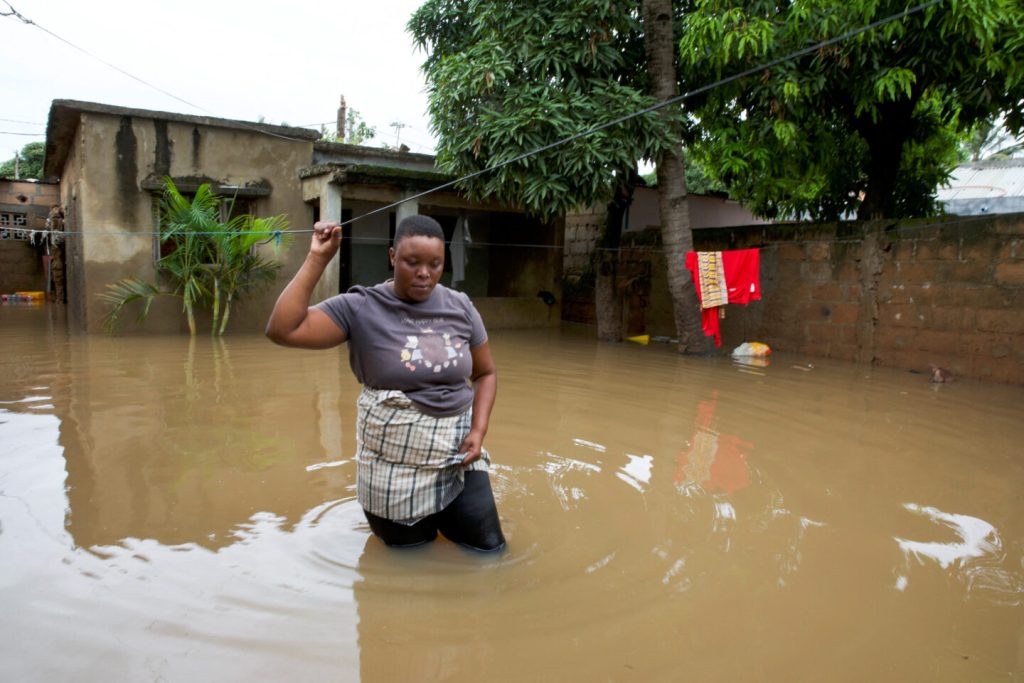
Another major event occurred in 2019 when Cyclone Idai hit southeastern Africa. Although the cyclone made landfall in Mozambique, it brought intense rainfall and flooding to Malawi. Approximately 700,000 people were affected as reported by Oxfam on March 25, 2019; and thousands were displaced as rivers burst their banks and floodwaters swept through villages and farmlands.
Why Malawi is highly vulnerable
Several factors explain why cyclones and floods have such devastating effects in Malawi. Firstly, geography of the country plays a major role. The southern region of the country lies within the Shire River basin, where heavy rainfall can quickly cause rivers to overflow. Hence, low-lying districts such as Nsanje and Chikwawa are particularly prone to flooding. Secondly, environmental degradation has worsened the impact of storms.
Rapid deforestation for charcoal production and farmland has reduced natural vegetation cover. Without trees to stabilize soil and absorb rainfall, heavy storms easily trigger landslides and soil erosion. During Cyclone Freddy, for example, many of the deaths were linked to mudslides in deforested hillside areas such as Chilobwe in Blantyre City.
Thirdly, poverty and limited infrastructure increase vulnerability. Many rural communities build houses using mud bricks and thatch, which cannot withstand severe floods or strong winds. Roads, bridges, and drainage systems are also often insufficient to effectively manage extreme rainfall. Lastly, climate change is intensifying storms in the region. Warmer ocean temperatures contribute to stronger cyclones, while changing rainfall patterns increase the risk of flash floods.
The human and economic cost of cyclones and floods in Malawi
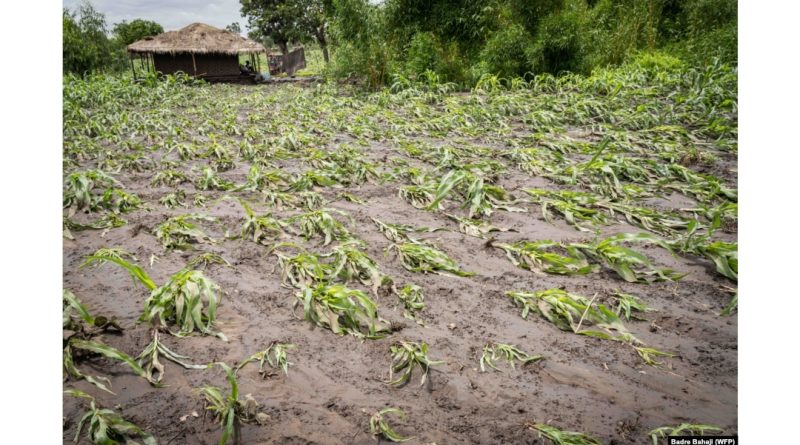
The repeated disasters have enormous consequences for Malawi’s economy and social development. Agriculture, which employs more than 80% of the population, is particularly vulnerable to floods and storms. Cyclones frequently destroy crops such as maize, rice, and vegetables just before harvest. When farmland is submerged or washed away, farmers lose both food and income. In 2022 alone, floods linked to Tropical Storm Ana destroyed about 115,388 hectares of crops, leaving many households facing food shortages.
Infrastructure damage is another major challenge. Roads, bridges, power lines, schools, and health facilities are often destroyed by floodwaters. During Cyclone Idai, important infrastructure including hydroelectric facilities along the Shire River were damaged, affecting electricity supply. Beyond economic losses, the human toll is severe. Families are displaced into temporary camps where they face risks of disease outbreaks such as cholera and malaria. Many children lose access to education when schools are destroyed or used as evacuation shelters.
Lessons for the future for Malawi
Despite these challenges, Malawi can draw several important lessons from the past decade of disasters.
Strengthening early warning systems: Timely weather forecasts and early warning messages can help communities evacuate before floods occur; improved coordination between meteorological services, local governments, and community leaders can save lives.
Restoring forests and protecting watersheds
Reforestation and sustainable land management can reduce landslides and soil erosion. Trees help absorb rainwater and stabilize hillsides, lowering the risk of floods.
Climate-resilient infrastructure
Stronger bridges, better drainage systems, and flood-resistant housing can reduce damage during storms. Infrastructure planning must consider the increasing intensity of climate-related disasters.
Relocating high-risk communities
Some villages are located in flood-prone areas that repeatedly experience disasters. Planned relocation to safer land may be necessary to protect vulnerable households.
Promoting climate-smart agriculture
Farmers can adopt practices such as agroforestry, conservation agriculture, and drought-resistant crops to improve resilience against extreme weather.
In a nutshell, the cyclones and floods that have struck Malawi over the past decade Cyclone Freddy, Cyclone Idai to Tropical Storm Ana, they all have exposed the country’s vulnerability to climate-related disasters. Yet they also provide powerful lessons.
Through investing in environmental restoration, disaster preparedness, and climate-resilient development, Malawi can reduce future risks and protect its people. Weathering the storm will not be easy. However, with stronger environmental stewardship and community resilience, Malawi can transform these painful experiences into a pathway toward a safer and more sustainable future.